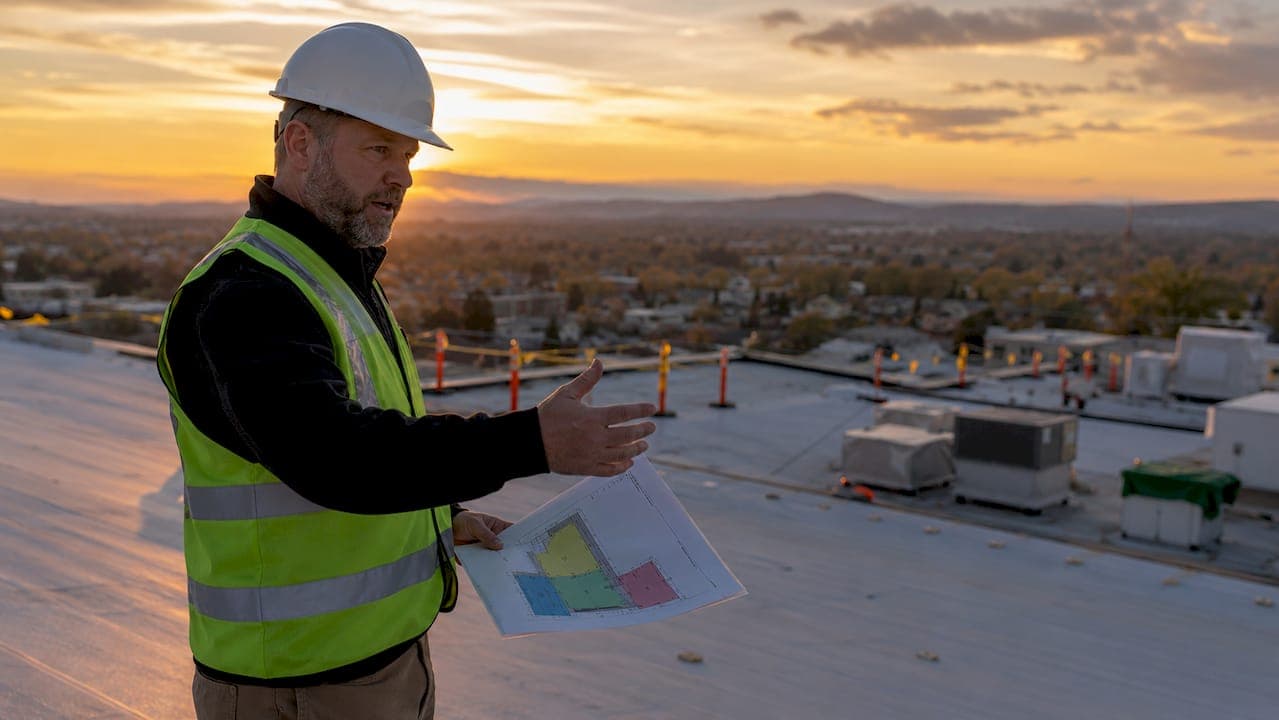
Commercial roof repairs minimize disruption by stopping water intrusion before it escalates into emergency conditions that force operational shutdowns. For business owners and property managers, the difference between a planned repair and an emergency response is the difference between a minor inconvenience and days of lost revenue. The industry term for this approach is disruption-conscious roofing, a project delivery method that prioritizes phased sequencing, work zone isolation, and stakeholder communication over raw speed. Chattanoogaroofrepairs applies these methods on every commercial project in the Chattanooga area, using certified materials from GAF and Owens Corning to protect your building and your bottom line.
How commercial roof repairs minimize disruption through strategic planning
Minimizing business interruption centers on operational planning with phased construction, scheduling, and communication rather than speed. That single principle separates contractors who understand commercial environments from those who treat every job like a vacant residential property. Here are the six core tactics experienced contractors use.
-
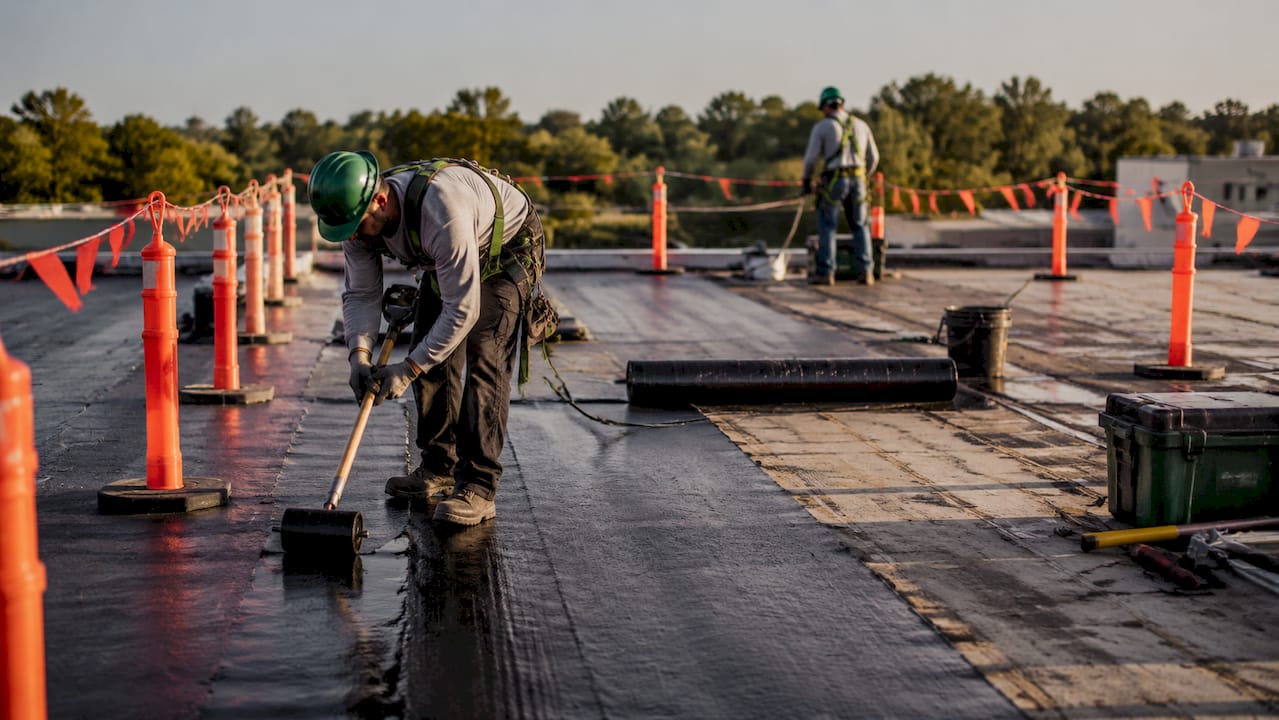
Phased and sectional sequencing. Repairs are divided into zones so that only a fraction of the roof is open at any given time. This limits the area exposed to weather and keeps the majority of your building fully operational throughout the project.
-
Continuous dry-in conditions. Dry-in sequencing treats water intrusion as a risk control problem, not a scheduling afterthought. Contractors install temporary waterproofing membranes at the end of each workday so that overnight rain never reaches your interior.
-
Work zone isolation. Physical barriers, dust curtains, and debris containment systems separate the active repair area from occupied spaces. Employees and customers experience minimal noise and zero debris exposure during normal business hours.
-
Off-hours and low-traffic scheduling. Phasing construction around peak business hours reduces operational interruptions. Loud demolition work, for example, is scheduled for early mornings or weekends when foot traffic is lowest.
-
Dedicated communication channels. A single point of contact provides daily or weekly updates to building managers, tenants, and staff. Surprises are the primary cause of tenant complaints during roofing projects, and consistent updates eliminate them.
-
Temporary waterproofing and containment systems. Heavy-duty tarps, spray-applied sealants, and portable drainage systems protect the building envelope between active work periods.
Pro Tip: Ask your contractor to provide a written phasing plan before work begins. A reputable contractor will map each zone, the sequence of work, and the dry-in strategy for every phase. If they cannot produce this document, that is a red flag.
Repair vs. restoration vs. replacement: which causes the least downtime?
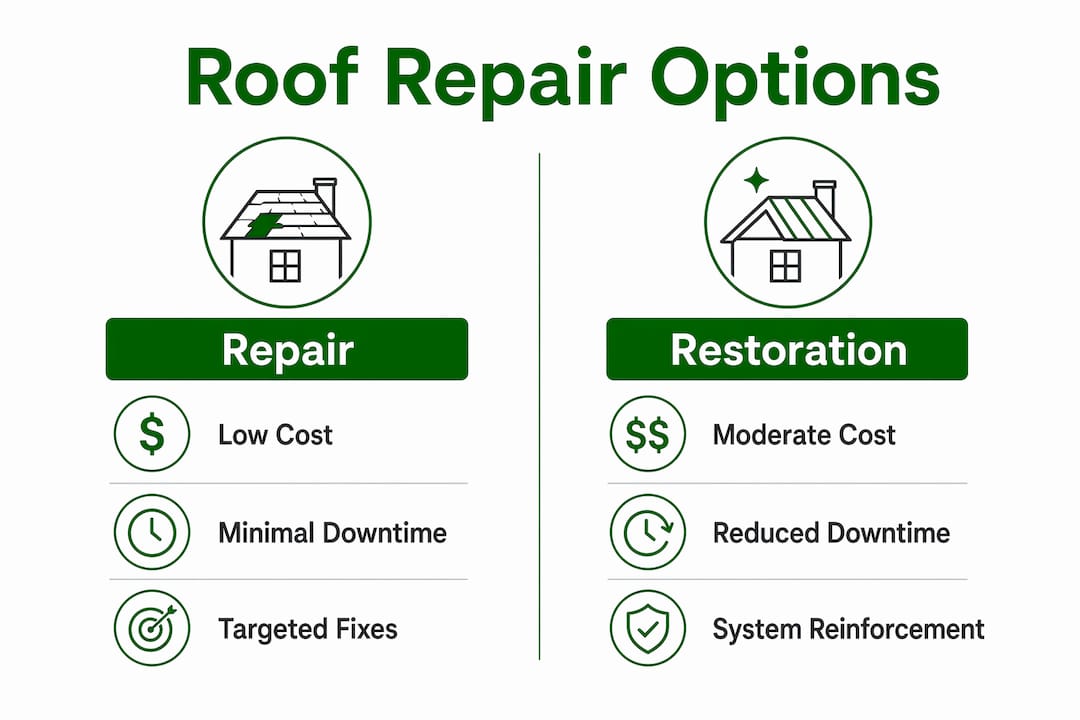
The scope of work you choose determines how much your operations are affected. Understanding the differences between repair, restoration, and full replacement helps you make a cost-conscious decision that protects business continuity.
| Approach | Typical cost relative to replacement | Downtime impact | Best suited for |
|---|---|---|---|
| Targeted repair | Lowest | Minimal, hours to days | Isolated damage, single leak sources |
| Restoration | 20–40% of replacement cost | Low to moderate, days | Aging but structurally sound roofs |
| Full replacement | Baseline (100%) | High, days to weeks | End-of-life systems, widespread failure |
Targeted repair fits isolated or limited-area damage, restoring performance without the larger staging and coordination that replacement projects require. The labor footprint is small, access restrictions are narrow, and most businesses never notice the work is happening.
Restoration repairs damage and reinforces the existing roof system without full tear-off, typically at 20 to 40 percent of replacement cost. That cost difference is significant for property managers managing tight capital budgets. Restoration also adds 5 to 15 years to roof service life, making it the highest-ROI option for buildings with structurally sound decking.
Full replacement resets the lifecycle but requires extensive staging, larger crews, and longer periods of partial access restriction. It is the right call when the roof system has reached end of life, but it is not the default choice for a building that needs to stay open.
Pro Tip: Schedule a professional roof inspection before committing to replacement. Many roofs that appear to need full tear-off are actually strong candidates for restoration, which cuts both cost and downtime significantly.
What are the real benefits of timely, proactive commercial roof repairs?
Proactive repairs prevent emergency shutdowns and revenue loss by stopping water intrusion before it escalates. That is the core business case, and every other benefit flows from it.
- Structural protection. Fixing leaks early prevents interior damage, mold growth, and the operational disruption that follows expensive emergency remediation. Mold remediation in a commercial building can trigger OSHA-related closures, which no repair project ever should.
- Inventory and equipment safety. A roof leak above a server room, a retail floor, or a manufacturing line creates liability exposure that far exceeds the cost of the repair itself. Proactive maintenance eliminates that risk before a storm arrives.
- Avoided emergency labor costs. Emergency roofing calls carry premium pricing, often 30 to 50 percent above standard rates, plus the cost of expedited materials. Scheduled repairs use standard labor rates and allow contractors to source materials at normal lead times.
- Energy efficiency gains. Restoration coatings and resealed insulation layers reduce thermal transfer, lowering utility costs. For large commercial footprints, this savings compounds over the extended service life.
- Asset value and insurance standing. Documented, proactive maintenance supports property valuations and keeps insurance claims straightforward. Insurers scrutinize deferred maintenance when evaluating storm damage claims.
"Delaying minor repairs can escalate damage substantially, increasing both disruptions and repair costs. Early repair catch avoids expanding scope into structural and interior remediation, which forces broader access restrictions and longer downtime."
The practical implication is direct: a $2,000 repair completed today can prevent a $40,000 remediation project that closes part of your building for two weeks. The math is not complicated. The discipline to act before a problem becomes visible is what separates well-managed properties from reactive ones.
How to work with contractors to keep operations running during repairs
Selecting the right contractor is as important as selecting the right repair method. An experienced commercial roofing contractor treats your building as an occupied, revenue-generating asset, not a construction site.
- Pre-construction coordination. Before any work begins, your contractor should meet with building managers, key tenants, and facilities staff to map critical operations, identify noise-sensitive areas, and agree on work hours. This meeting prevents the majority of complaints and change orders.
- Identify critical business operations. A hospital pharmacy, a data center, or a restaurant kitchen cannot tolerate dust, vibration, or even brief water exposure. Flag these areas explicitly so the phasing plan routes work away from them first.
- Establish a single point of contact. Clear communication with daily or weekly updates and a dedicated contact prevents surprises and limits disruption. This person should be reachable by phone during all active work hours.
- Select contractors experienced with occupied buildings. Ask for references from similar commercial projects, specifically ones where the building remained open throughout. A contractor who has only worked on vacant properties will underestimate the coordination required.
- Build scheduling flexibility into the contract. Seasonal weather in Chattanooga, particularly spring storm systems, can compress repair windows. A contract that allows schedule adjustments without penalty protects both parties.
- Document everything. Require photo documentation of each phase before and after work. This record protects you during insurance claims, supports warranty applications for GAF or Owens Corning materials, and provides accountability throughout the project.
Pro Tip: Request a 21-point inspection report before and after any repair project. This document creates a clear baseline and a verified completion record, which is exactly what insurers and property appraisers want to see.
Key takeaways
Proactive, phased commercial roof repairs are the most effective way to protect business continuity, reduce downtime, and control long-term building costs.
| Point | Details |
|---|---|
| Phased sequencing reduces impact | Dividing repairs into zones keeps most of the building operational throughout the project. |
| Restoration beats replacement for continuity | At 20–40% of replacement cost, restoration extends roof life 5–15 years with far less downtime. |
| Early repairs prevent emergency closures | Fixing leaks before they escalate avoids mold, structural damage, and costly emergency labor. |
| Communication eliminates surprises | A dedicated contact and regular updates are the single most effective tool for tenant and staff satisfaction. |
| Contractor experience matters | Choose contractors with verified occupied-building references and a written phasing plan before signing. |
Why I think most businesses underestimate the planning side of roofing
After years of working on commercial roofing projects in the Chattanooga area, the pattern I see most often is not a bad contractor or a bad material choice. It is a business owner who approved a project without asking how the work would be staged around their operations. The roof gets repaired, but the disruption was entirely avoidable.
The businesses that come through roofing projects with zero complaints are the ones that treated the repair as an extension of their operations management. They mapped their critical functions, communicated with their tenants two weeks in advance, and held a pre-construction meeting before a single tool came out of the truck. That preparation costs nothing and saves everything.
I also want to push back on the instinct to delay small repairs because they seem minor. Underestimating repair scope expansion leads to larger disruptions. A small membrane blister ignored through one winter becomes a saturated insulation layer by spring, and that repair now requires partial interior access, not just a rooftop crew. The scope doubles, the timeline doubles, and the disruption doubles. Act early, and you stay in control of the project.
The other thing I would stress: speed is not the goal. Careful staging is. A contractor who promises to finish in half the time of a competitor is almost certainly skipping the dry-in steps and the zone isolation that protect your interior. Slow and methodical wins every time in an occupied commercial building.
— Steve
How Chattanoogaroofrepairs keeps your business running during repairs
Chattanoogaroofrepairs specializes in commercial roof repair and restoration for occupied buildings across Chattanooga and the surrounding region. Every project includes a written phasing plan, dedicated project communication, and certified materials from GAF and Owens Corning. Whether you need targeted roof leak repair, a full restoration, or metal roofing built to last decades, the team schedules work around your operations, not the other way around. Same-day tarping for storm damage and 21-point inspection reports are standard. Visit the Chattanoogaroofrepairs services page to request a no-pressure quote and see how a locally operated, fully insured team handles commercial projects the right way.
FAQ
How do commercial roof repairs minimize disruption to daily operations?
Commercial roof repairs minimize disruption through phased sequencing, work zone isolation, and off-hours scheduling, keeping most of the building operational while only a small section is under active repair at any time.
Is restoration or full replacement better for reducing downtime?
Restoration causes significantly less downtime than full replacement because it reinforces the existing roof system without tear-off, typically at 20 to 40 percent of replacement cost, while adding 5 to 15 years of service life.
What happens if I delay a small commercial roof repair?
Delaying minor repairs allows damage to expand into structural and insulation layers, which forces broader access restrictions, longer project timelines, and higher costs than the original targeted fix would have required.
How should I prepare my building before a commercial roofing project starts?
Hold a pre-construction meeting with your contractor, identify noise-sensitive or critical operations areas, establish a single point of contact for updates, and request a written phasing plan that maps each work zone and its dry-in strategy.
How do I choose a contractor experienced with occupied commercial buildings?
Ask for references from commercial projects where the building remained open throughout the work, confirm the contractor provides a written phasing plan, and verify they carry full insurance and use manufacturer-backed materials like GAF or Owens Corning.