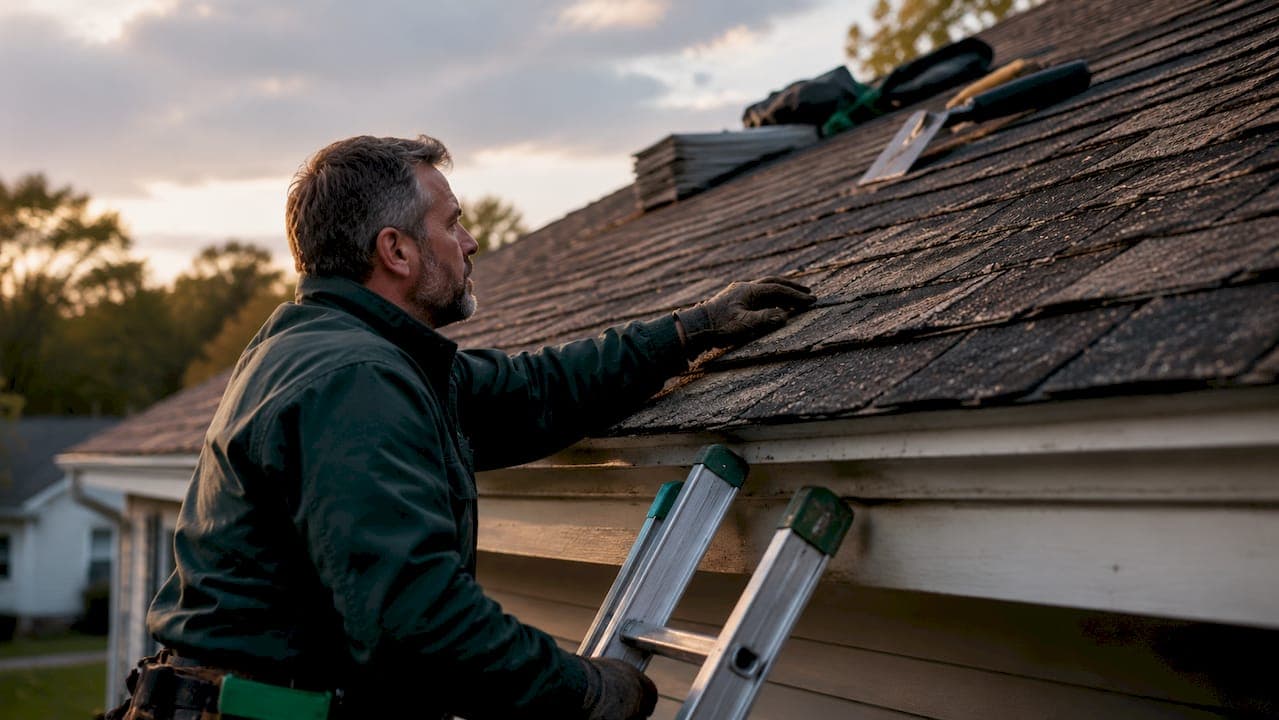
A roof that needs full replacement is defined by systemic failure across multiple components, not just isolated surface damage. Knowing the signs roof needs replacement not repair saves you from pouring money into repeated patch jobs that never solve the underlying problem. The most reliable indicators include widespread granule loss, multiple active leaks, structural sagging, and a roof age past its manufacturer lifespan. Roofing manufacturers like GAF and IKO have established clear thresholds that separate repairable problems from those requiring a full system overhaul. This guide walks you through every major warning sign, a practical inspection checklist, and the financial logic behind choosing replacement over endless repairs.
What are the primary signs your roof needs replacement?
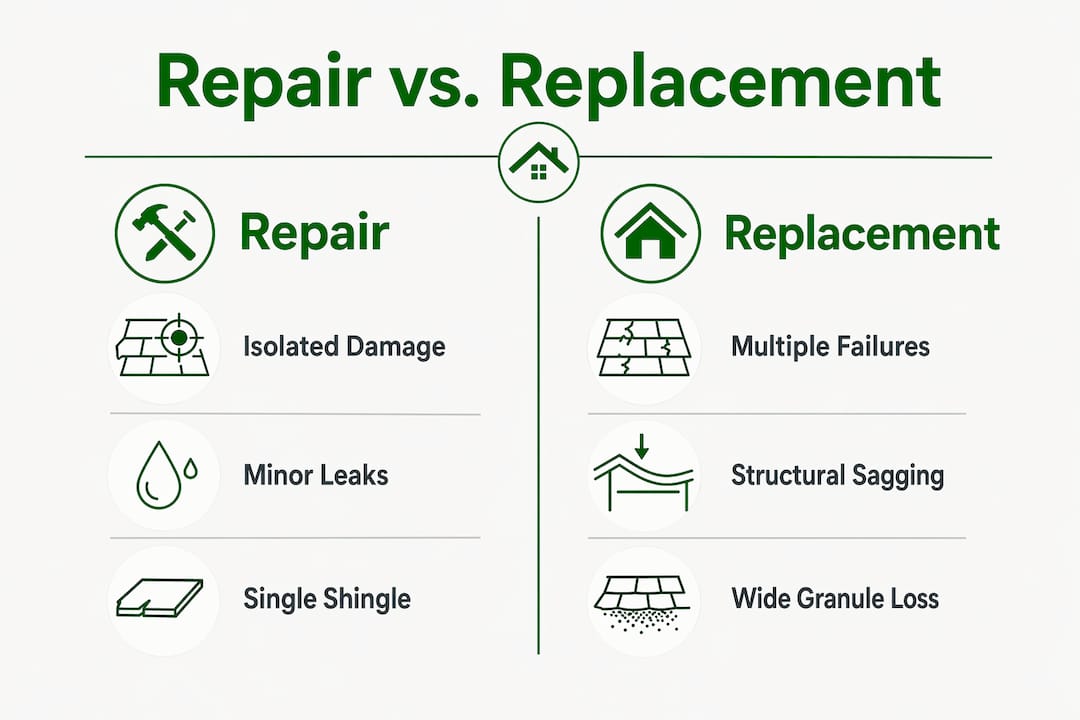
The industry term for what most homeowners call "roof replacement signs" is systemic roof failure, and recognizing it early is the difference between a planned investment and an emergency expense. IKO's core principle is straightforward: repair isolated failures, replace systemic failures. Here are the primary indicators that point toward replacement.
Age past the manufacturer lifespan
GAF emphasizes that a roof over 15 years old showing signs like missing shingles or mold is a strong candidate for replacement, not repair. Standard asphalt shingles carry a manufacturer lifespan of 20 to 30 years, while three-tab shingles often reach the end of their useful life closer to 15 to 20 years. Age alone does not trigger replacement, but age combined with any of the signs below almost always does.
Widespread granule loss
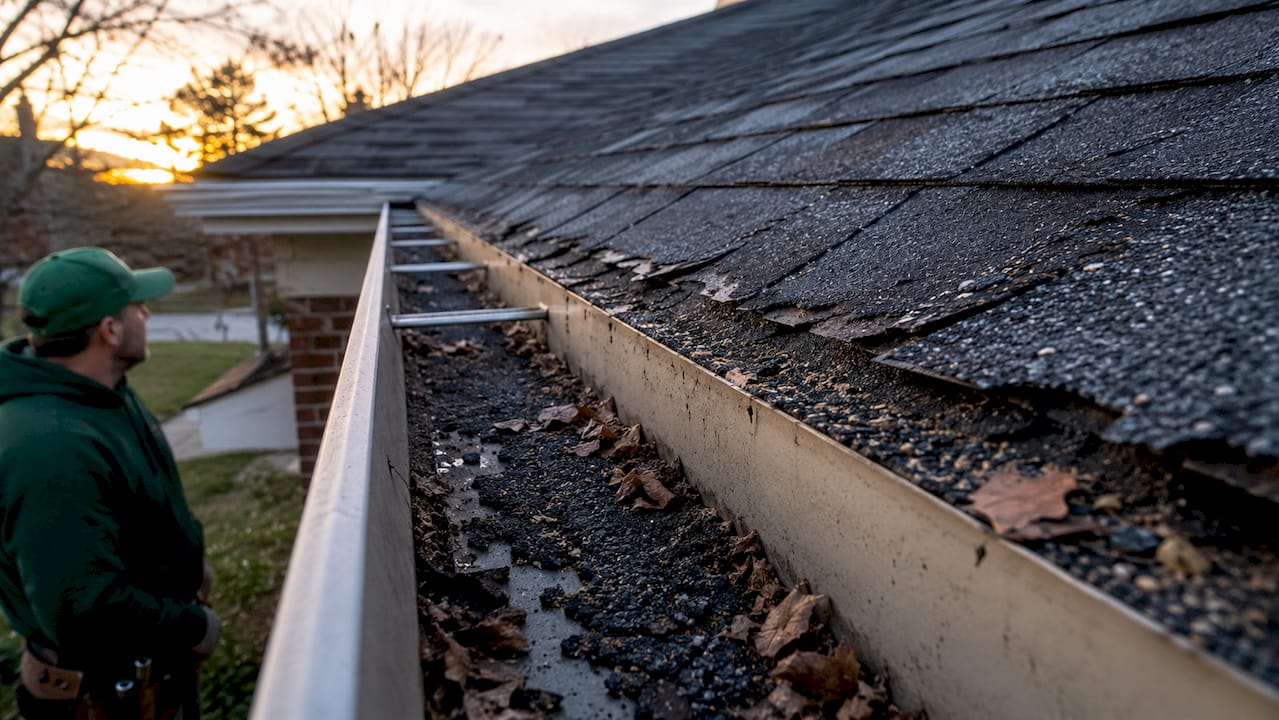
Widespread granule loss exposes the asphalt layer beneath shingles to direct UV radiation, accelerating deterioration across the entire roof surface. You will notice bare, dark patches on multiple shingle faces and a buildup of sand-like granules collecting in your gutters. Partial repairs cannot restore the waterproofing system once granule loss is widespread because the surrounding shingles are equally compromised.
Curling, cracking, and buckling shingles
Shingles that curl upward at the edges (cupping) or curl downward in the middle (clawing) signal that the asphalt has dried out and lost flexibility. This is not a localized problem. When you see curling across multiple roof slopes, the entire shingle layer has aged past its functional point. Cracking and buckling follow the same pattern and indicate the shingles can no longer shed water reliably.
Multiple active leaks
Multiple leaks in different locations within a short period indicate underlayment or decking failure, not just surface shingle damage. A single leak from a cracked flashing joint is repairable. Three leaks appearing in different rooms after one rainstorm tell you the moisture-management system beneath the shingles has broken down. Patching individual entry points will not stop water from finding new paths through a compromised underlayment.
Structural sagging and soft decking
Visible sagging or softness in roof decking confirms structural damage that no surface repair can address. If your roofline dips between rafters or feels spongy when you press on it from the attic, the decking boards have absorbed moisture and begun to rot. This condition requires full replacement because the structural substrate itself has failed.
Pro Tip: Check your attic on a bright day with the lights off. Pinpoints of daylight visible through the roof deck confirm gaps that have likely allowed moisture infiltration for months.
How to tell if your roof problem is repairable or needs full replacement
The repair-versus-replacement decision follows a clear framework once you understand the damage thresholds roofing professionals use. GAF advises that when repair costs approach 25% to 30% of the full replacement cost, replacement delivers better long-term value. That threshold exists because repairs beyond that point tend to generate diminishing returns while the rest of the roof continues aging.
| Condition | Repair or replace? |
|---|---|
| Single missing shingle, no underlayment damage | Repair |
| Isolated flashing failure around one chimney | Repair |
| Damage covering 25% or more of roof area | Replace |
| Multiple leaks across different roof sections | Replace |
| Roof over 20 years old with recurring leaks | Replace |
| Sagging decking or visible structural compromise | Replace |
Professional roof inspections evaluate surface condition, underlayment status, decking integrity, ventilation, flashing, and the quality of prior repairs. This matters because a homeowner looking only at shingles from the ground misses the underlayment condition entirely. A contractor who has made three repairs to the same roof in two years is a signal that the system has failed, not that the repairs were done poorly.
IKO's systems-thinking approach reinforces this point. The question is not whether one shingle is damaged. The question is whether the overall moisture-management system, including shingles, underlayment, flashing, and decking, can still do its job. When the answer is no across multiple components, replacement is the correct call.
Pro Tip: Ask any roofing contractor for a written breakdown of what they found during inspection, including underlayment condition and attic ventilation status. If they cannot provide it, get a second opinion.
Home inspection checklist: repair vs. replacement indicators
You can gather significant evidence about your roof's condition before calling a professional. Work through this checklist systematically and document what you find with photos.
- Walk the perimeter and look up at the shingles. Note any missing shingles, visible dark patches from granule loss, or shingles that appear lifted, curled, or cracked. Count how many slopes show damage.
- Check your gutters and downspouts. Granule accumulation that looks like coarse sand at the base of downspouts or inside gutters indicates active shingle deterioration. A small amount is normal on new roofs. Heavy accumulation on an older roof is a replacement indicator.
- Inspect the roofline from the street. Stand back far enough to see the full roofline. Any dips, waves, or uneven sections suggest decking or structural issues beneath the surface.
- Go into the attic during daylight. Look for daylight penetration, water stains on rafters or decking, active moisture, or mold growth. Soft or discolored decking boards confirm moisture infiltration.
- Examine flashing around chimneys, vents, and skylights. Flashing that is lifted, rusted, or separated from the surface is a common leak source. Isolated flashing failure is repairable. Flashing failure combined with shingle deterioration across the same area suggests a broader system problem.
- Document any prior repairs. Multiple patches of different ages visible on the same roof surface are a clear damaged roof sign. They indicate the roof has been managed reactively rather than maintained proactively.
When you find problems in three or more of these areas, the evidence points toward replacement. A single problem area with no other signs typically supports a targeted repair. At that point, scheduling a professional roof inspection gives you a documented assessment to work from.
Common mistakes homeowners make when choosing repair over replacement
The most expensive roofing mistake is treating a systemic failure as a series of isolated problems. Repeated repairs over a few years consistently produce higher total costs than a single replacement would have, while also risking interior damage to insulation, drywall, and framing. Here are the specific errors that lead homeowners into that cycle.
- Ignoring widespread granule loss. Homeowners often notice granules in gutters and assume it is minor wear. When granule loss is visible across multiple slopes, the shingles have lost their UV protection and the waterproofing timeline is short.
- Underestimating roof age. A 22-year-old roof that "looks okay" from the street may have underlayment that is fully degraded. Age is a structural indicator, not just a cosmetic one.
- Comparing repair cost to replacement cost in isolation. A $1,200 repair sounds reasonable until it is the fourth repair in three years. The cumulative cost of $4,800 in repairs on a roof that still needs replacement is money spent without solving the problem.
- Skipping the attic inspection. Most homeowners assess their roof from the outside only. The attic reveals moisture damage, ventilation failures, and decking condition that are invisible from the ground.
- Delaying a professional inspection after storm damage. Chattanooga and surrounding areas experience significant storm activity. Hail and wind damage that appears minor on the surface often compromises the underlayment. Reviewing storm damage signs promptly prevents secondary interior damage.
Pro Tip: If you are planning to sell your home within five years, get a professional inspection now. Buyers' inspectors will find deferred roof issues, and a failed inspection at closing costs far more than a proactive replacement.
Why timely replacement saves money compared to repeated repairs
The financial case for replacement over repeated repairs becomes clear when you account for all the costs involved. Repair-and-repeat cycles risk voiding manufacturer warranties on existing materials, which means future repairs come with no coverage. New roofs installed with GAF or Owens Corning materials carry manufacturer-backed warranties that protect your investment for decades.
Secondary damage is the hidden cost most homeowners underestimate. Water that enters through a compromised roof does not stop at the ceiling. It saturates insulation, promotes mold growth in attic spaces, and can reach wall framing and drywall. Remediation for mold and structural repairs frequently exceeds the cost of the roof replacement that would have prevented it.
A new roof also improves a home's energy efficiency. Modern shingles from manufacturers like GAF and Owens Corning include reflective granule technology that reduces heat absorption, lowering cooling costs during Chattanooga summers. From a resale perspective, the National Association of Realtors consistently reports that a new roof ranks among the top home improvements for return on investment at resale.
Insurance considerations add another layer. After significant storm damage, many insurers will cover full replacement when damage meets their threshold. Accepting a repair settlement when the roof actually qualifies for replacement leaves money on the table and leaves you with a compromised system. A licensed contractor can document damage accurately and support your claim.
Key takeaways
A roof requires full replacement when damage is systemic, covering multiple components or more than 25% of the roof area, rather than isolated to one repairable section.
| Point | Details |
|---|---|
| Age plus condition triggers replacement | A roof over 15 to 20 years old with recurring leaks or shingle damage needs replacement, not repair. |
| Granule loss signals system failure | Widespread granule loss across multiple slopes means the waterproofing system cannot be restored with patches. |
| Use the 25% cost threshold | When repair costs reach 25% to 30% of full replacement cost, replacement delivers better long-term value. |
| Multiple leaks mean underlayment failure | Three or more active leaks in different locations confirm the moisture-management system has broken down. |
| Attic inspection is non-negotiable | Daylight, water stains, or soft decking visible from the attic confirm damage that surface inspection misses. |
What I have learned from watching homeowners delay replacement
I have seen the same pattern repeat itself more times than I can count. A homeowner calls about a leak, gets a repair, and calls again six months later about a different leak in a different spot. By the time they agree to a full inspection, the attic shows mold on the decking, the insulation is saturated, and what would have been a straightforward replacement has turned into a replacement plus remediation.
The hardest part of this conversation is that the roof often looks acceptable from the street. Curling shingles are easy to miss from ground level. Granule loss reads as normal weathering to an untrained eye. This is exactly why IKO's systems-thinking framework matters so much. You cannot evaluate a roof by looking at one shingle. You have to assess the entire moisture-management system, from the ridge cap down to the decking.
My honest recommendation is this: if your roof is over 15 years old and you have had more than one repair in the past three years, stop repairing and start planning for replacement. The math almost never favors continued patching at that point. Budget for it, get multiple quotes, and ask every contractor to show you their inspection findings in writing. A contractor who cannot explain what they found in the attic and at the flashing points has not done a thorough inspection.
The homeowners who come out ahead financially are the ones who treat replacement as a planned home improvement rather than an emergency response. Proactive replacement on your timeline costs less, causes less disruption, and gives you the warranty protection that reactive replacement after interior damage cannot provide.
— Steve
Get a professional roof assessment in Chattanooga, TN
If the signs above sound familiar, the next step is a thorough inspection from a licensed, insured roofing team. Chattanoogaroofrepairs provides comprehensive roof inspections and replacement services across Chattanooga and surrounding areas, using materials from GAF and Owens Corning with manufacturer-backed warranties. Whether you need a targeted repair or a full metal roofing replacement that will outlast standard asphalt by decades, the team delivers transparent pricing and no-pressure assessments. Same-day tarping is available for storm damage. Schedule your inspection today and get a clear, written answer on whether repair or replacement is the right call for your home.
FAQ
How do I know if my roof needs replacement or just repair?
IKO's guideline is to repair isolated failures and replace systemic ones. If damage covers multiple slopes, leaks appear in more than one location, or the roof is over 15 to 20 years old with recurring problems, replacement is the correct decision.
What percentage of roof damage requires full replacement?
GAF recommends considering full replacement when damage covers 25% to 30% or more of the roof area, or when repair costs approach that same percentage of the total replacement cost.
Can granule loss in gutters mean I need a new roof?
Heavy granule accumulation in gutters on a roof older than 15 years is a strong replacement indicator. Widespread granule loss means the shingles have lost their UV-protective layer and partial repairs cannot restore system-level waterproofing.
Does a sagging roof always mean replacement?
Yes. Visible sagging or soft decking confirms structural damage to the roof deck itself, which no surface repair can fix. Full replacement is required to restore structural integrity.
How long does a typical asphalt shingle roof last before replacement?
Standard architectural asphalt shingles last 25 to 30 years under normal conditions, while three-tab shingles typically reach the end of their useful life at 15 to 20 years. Age combined with visible wear indicators is the most reliable trigger for scheduling a professional replacement assessment.