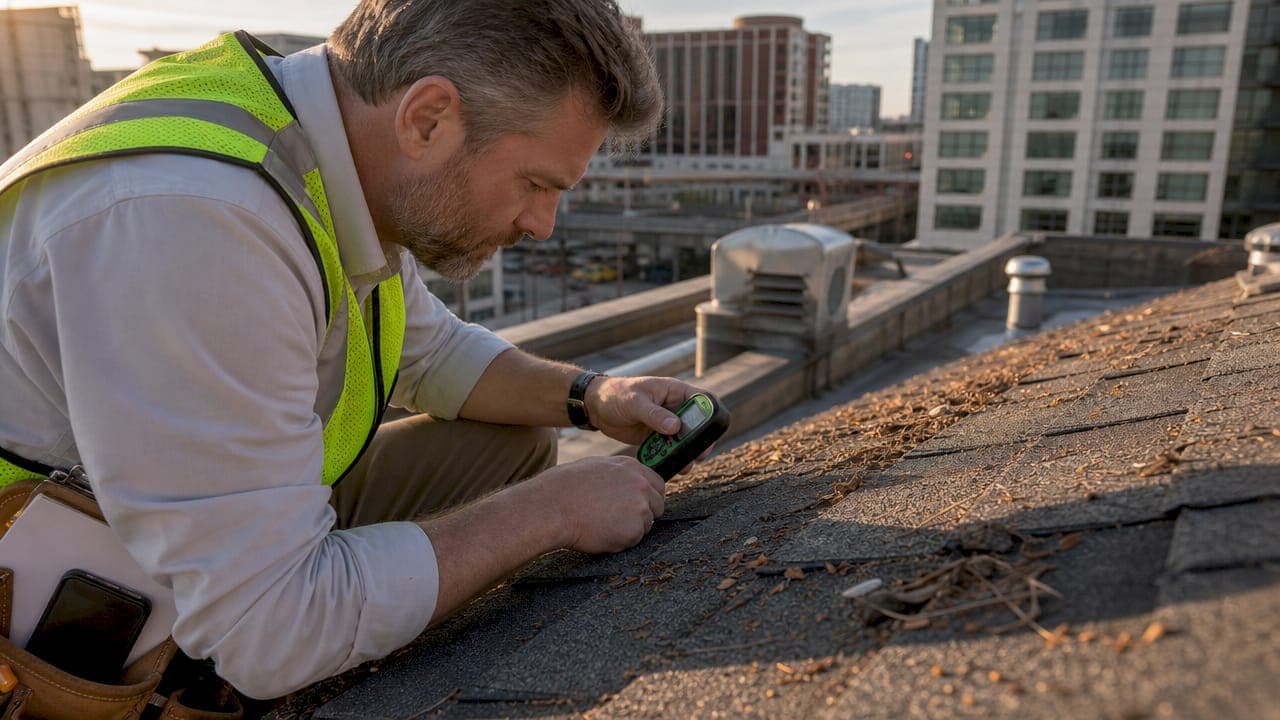
Architectural shingle lifespan is defined as the period these multi-layer asphalt shingles can reliably protect a home, generally spanning 22 to 30 years under normal installation and maintenance conditions. The industry term for this product category is "dimensional shingles," though "architectural shingles" is the phrase most homeowners and contractors use interchangeably. Knowing what affects shingle lifespan helps you plan replacements, budget accurately, and avoid paying for a new roof years earlier than necessary. Installation quality, attic ventilation, climate exposure, and routine maintenance all determine whether your roof reaches the top of that range or falls short.
What is architectural shingle lifespan, and what should you expect?
Architectural shingles last 22 to 30 years in most real-world installations. Premium versions with heavier asphalt layers can push that range to 30–50 years when conditions are ideal. That gap between 22 and 50 years is not random. It reflects the difference between a roof that was installed correctly, ventilated properly, and maintained consistently versus one that was not.
Manufacturer warranties are often misread as a lifespan guarantee. They are not. Warranties cover material defects only, and coverage becomes heavily prorated after the first 10 years. By year 20, the warranty may cover only a small fraction of replacement costs, and labor is almost never included. Experts agree that a "30-year shingle" label reflects an optimistic ceiling, not a guaranteed floor.
The practical takeaway for homeowners and property managers is straightforward. Budget for a roof inspection around year 15 to assess remaining service life. Do not assume a warranty will fund a replacement if the roof fails at year 22.
How architectural shingles compare to 3-tab shingles
Traditional 3-tab shingles last 15 to 20 years, roughly a decade less than architectural shingles. The performance gap comes from construction. Architectural shingles use multiple bonded asphalt layers, which creates the dimensional texture you see on most newer homes. That extra mass also adds wind resistance and impact tolerance.
- Architectural shingles: 22–30 year lifespan, wind resistance rated at 110–130 mph
- 3-tab shingles: 15–20 year lifespan, wind resistance rated at 60–70 mph
- Cost difference: Architectural shingles cost 20–40% more upfront but deliver roughly 50% longer service life
That cost-to-lifespan ratio makes architectural shingles the better long-term value for most residential properties.
What factors affect architectural shingle lifespan?
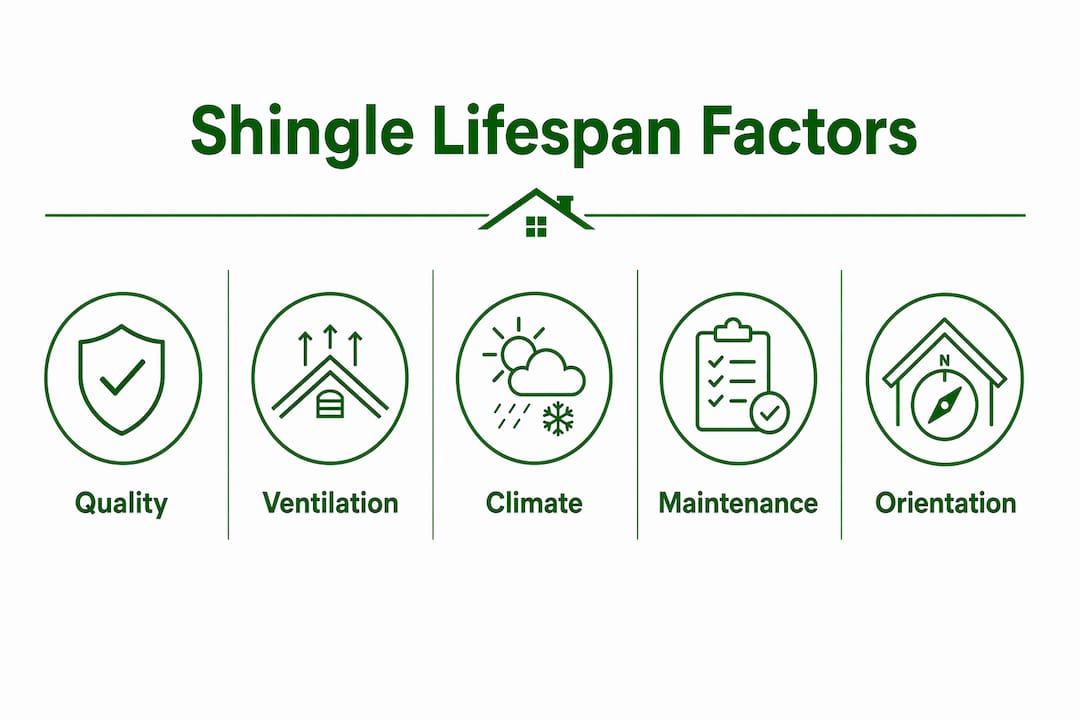
Several variables determine whether your roof reaches 22 years or 30. Understanding them lets you make decisions that protect your investment from day one.
Installation quality
Improper nailing or skipped underlayment can cut a roof's lifespan by 10 or more years, even when the damage is not visible at first. Nails placed too high on the shingle strip reduce wind resistance. Missing underlayment allows moisture to reach the decking during storms. These flaws do not show up immediately. They compound over time and accelerate failure.
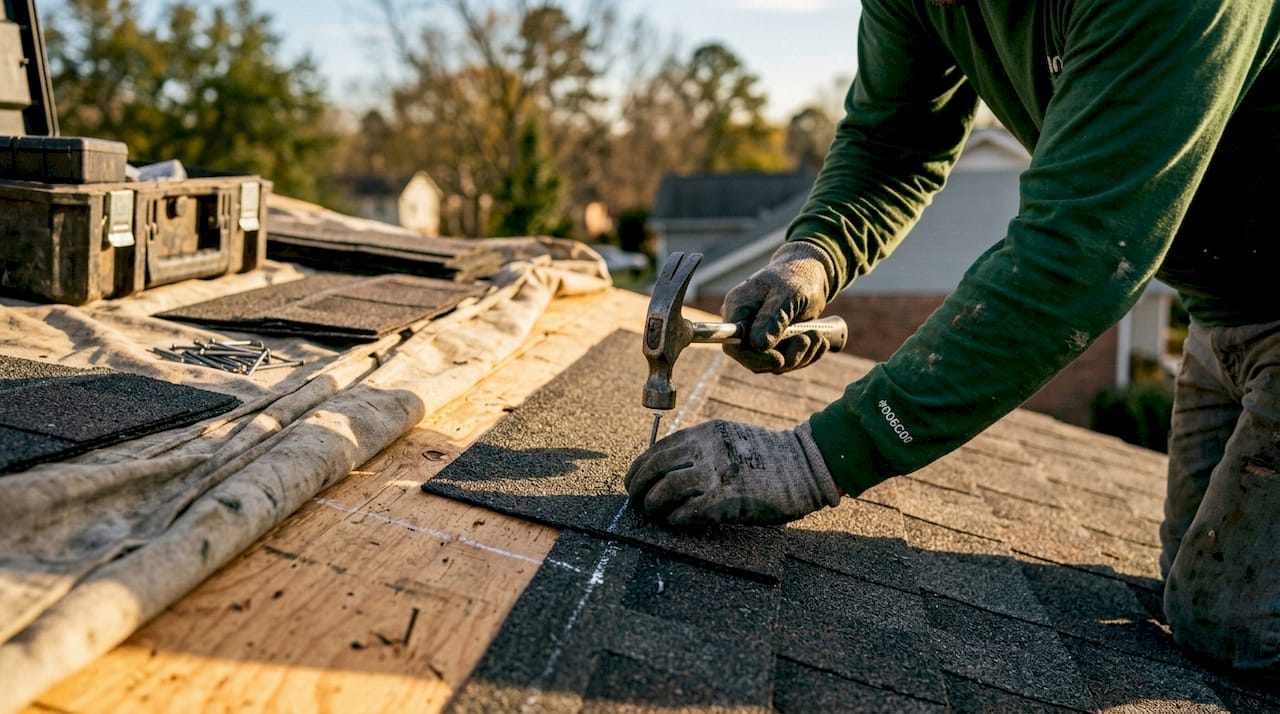
Hiring a certified contractor who follows GAF or Owens Corning installation standards is the single most reliable way to protect your roof's full service life. Chattanoogaroofrepairs uses manufacturer-certified installation practices on every job for exactly this reason.
Attic ventilation
Poor attic ventilation reduces shingle lifespan by 20–30% by trapping heat against the roof deck. That trapped heat bakes the asphalt from below, causing granule loss and accelerated brittleness. This factor is especially damaging in high solar exposure regions like the Southeast.
A properly ventilated attic maintains a balanced airflow that keeps the roof deck temperature closer to the outside air temperature. Ridge vents combined with soffit vents are the standard solution for most residential roofs.
Pro Tip: Have your attic ventilation assessed during any roof inspection. Poor ventilation is the most common hidden cause of premature shingle failure, and it costs far less to fix than a full roof replacement.
Climate and roof orientation
South and west-facing roof slopes age 5 or more years faster than north-facing slopes on the same house. Direct afternoon sun creates thermal cycling, where shingles expand and contract repeatedly. Over years, that movement loosens granules and cracks the asphalt matrix.
Freeze-thaw cycles in colder climates add another layer of stress. Water that seeps under shingles expands when it freezes, lifting shingle edges and creating entry points for the next rain. Homeowners in climates with both hot summers and cold winters face the most aggressive aging conditions.
Maintenance and storm response
Routine maintenance is not optional if you want to reach the top of the lifespan range. Clogged gutters hold water against the roof edge, which accelerates rot and shingle deterioration. Moss and algae growth trap moisture against the shingle surface. Unaddressed minor damage from hail or wind creates entry points that worsen with every subsequent storm.
The roof repair vs. replacement decision often comes down to whether maintenance was consistent. Roofs that received annual attention typically need targeted repairs. Roofs that were ignored often require full replacement years ahead of schedule.
How does architectural shingle durability compare to other roofing materials?
Architectural shingles sit in the middle of the roofing material spectrum. They outlast 3-tab asphalt by a decade but fall short of metal, slate, and tile. The comparison below covers the materials most homeowners and property managers evaluate.
| Roofing material | Typical lifespan | Relative cost | Wind resistance | Maintenance level |
|---|---|---|---|---|
| 3-tab asphalt shingles | 15–20 years | Low | 60–70 mph | Low |
| Architectural shingles | 22–30 years | Moderate | 110–130 mph | Low to moderate |
| Metal roofing | 40–70 years | High | 140+ mph | Low |
| Slate or tile | 75+ years | Very high | High | Moderate to high |
Metal roofs last 40 to 70 years and slate or tile can exceed 75 years, but both require significantly higher upfront investment and, in the case of slate, structural reinforcement to handle the added weight. Architectural shingles balance cost, appearance, and longevity better than any other option for standard residential construction. For homeowners who want a longer-lasting alternative, metal roofing in Chattanooga is worth evaluating as a premium upgrade.
Upgrading from 3-tab to architectural shingles also increases curb appeal and resale value, which matters when you plan to sell within the next 10 to 15 years.
How can you extend the lifetime of architectural shingles?
Reaching the upper end of the 22–30 year range requires a consistent maintenance plan. Routine professional inspection is the most effective way to catch small problems before they become expensive ones. Here is a practical maintenance schedule for homeowners and property managers:
- Schedule a professional roof inspection annually. A trained inspector can spot granule loss, lifted shingles, and flashing gaps that are invisible from the ground. Chattanoogaroofrepairs offers comprehensive 21-point inspections that cover every component of the roof system.
- Clean gutters at least twice a year. Blocked gutters force water to back up under shingles at the eave line. Gutter maintenance is one of the lowest-cost ways to protect a roof's service life.
- Address minor repairs immediately. Small issues addressed early prevent premature failure and avoid the cost of full replacement. A cracked shingle or loose flashing repaired in year 5 can prevent a leak that damages decking by year 10.
- Inspect after every major storm. Hail and high winds cause damage that is not always visible from the street. Check for signs of storm damage such as missing granules in gutters, dented flashing, or lifted shingle tabs.
- Remove moss, algae, and debris promptly. Organic growth holds moisture against the shingle surface. Use a low-pressure rinse and zinc-based treatments to prevent regrowth without damaging the granule layer.
Pro Tip: After any hail event, request a professional inspection before filing an insurance claim. A documented inspection report strengthens your claim and identifies damage that a visual check from the ground will miss.
Key Takeaways
Architectural shingles last 22 to 30 years under normal conditions, but installation quality, attic ventilation, climate exposure, and consistent maintenance determine whether your roof reaches that upper limit or falls short by a decade.
| Point | Details |
|---|---|
| Typical lifespan range | Architectural shingles last 22–30 years; premium versions can reach 30–50 years under ideal conditions. |
| Warranties are not guarantees | Material warranties prorate heavily after year 10 and never cover labor costs. |
| Ventilation is the hidden factor | Poor attic ventilation reduces shingle lifespan by 20–30% by trapping heat against the roof deck. |
| Orientation affects aging speed | South and west-facing slopes age 5 or more years faster due to thermal cycling and solar exposure. |
| Maintenance extends service life | Annual inspections and prompt minor repairs consistently push roofs toward the top of the lifespan range. |
What I've learned about shingle lifespan after years in the field
The number one mistake I see homeowners make is treating the warranty label as a performance promise. A "30-year shingle" installed over a poorly ventilated attic by an uncertified crew will not last 30 years. I have inspected roofs that failed at 14 years because of those two factors alone. The shingle itself was fine. Everything around it was not.
Ventilation is the factor that surprises people most. Homeowners focus on the shingles they can see and ignore the attic they cannot. But the heat building up in an under-ventilated attic does more cumulative damage than most weather events. I have seen roofs in Chattanooga where the south slope was 8 years ahead of the north slope in deterioration, purely because of sun exposure and inadequate airflow.
My honest recommendation is to invest in the inspection before you invest in the repair. A thorough assessment tells you exactly where your roof stands and what it needs. Reactive replacement costs two to three times more than proactive maintenance over a 30-year period. The homeowners who get the most out of their roofs are the ones who treat inspection as a routine expense, not an emergency response.
— Steve
Protect your roof investment with Chattanoogaroofrepairs
Chattanoogaroofrepairs serves homeowners and property managers across Chattanooga and surrounding areas with certified architectural shingle installation, repair, and maintenance. Every job uses materials from GAF and Owens Corning, backed by manufacturer-certified workmanship.
Whether your roof needs a full shingle replacement or targeted repairs after storm damage, the team at Chattanoogaroofrepairs delivers transparent pricing and same-day tarping when it matters most. For roofs that have taken a hit from hail or high winds, professional storm damage repair stops deterioration before it compounds. Contact Chattanoogaroofrepairs for a no-pressure 21-point inspection and get a clear picture of where your roof stands today.
FAQ
How long do architectural shingles last on average?
Architectural shingles last 22 to 30 years under normal conditions. Premium versions with heavier asphalt layers can reach 30–50 years when installation and ventilation are ideal.
What is the difference between a warranty and actual shingle lifespan?
Manufacturer warranties cover material defects only and prorate heavily after the first 10 years. Actual lifespan depends on installation quality, ventilation, climate, and maintenance, not warranty terms.
What shortens architectural shingle lifespan the most?
Poor attic ventilation is the leading cause of premature failure, reducing lifespan by 20–30%. Improper installation, including incorrect nailing or missing underlayment, can cut service life by 10 or more years.
Do south-facing roofs wear out faster?
South and west-facing slopes age 5 or more years faster than north-facing slopes due to direct sun exposure and repeated thermal cycling throughout the day.
How often should architectural shingles be inspected?
A professional inspection once a year, and after every major storm, is the most reliable way to catch damage early and extend the roof's service life.