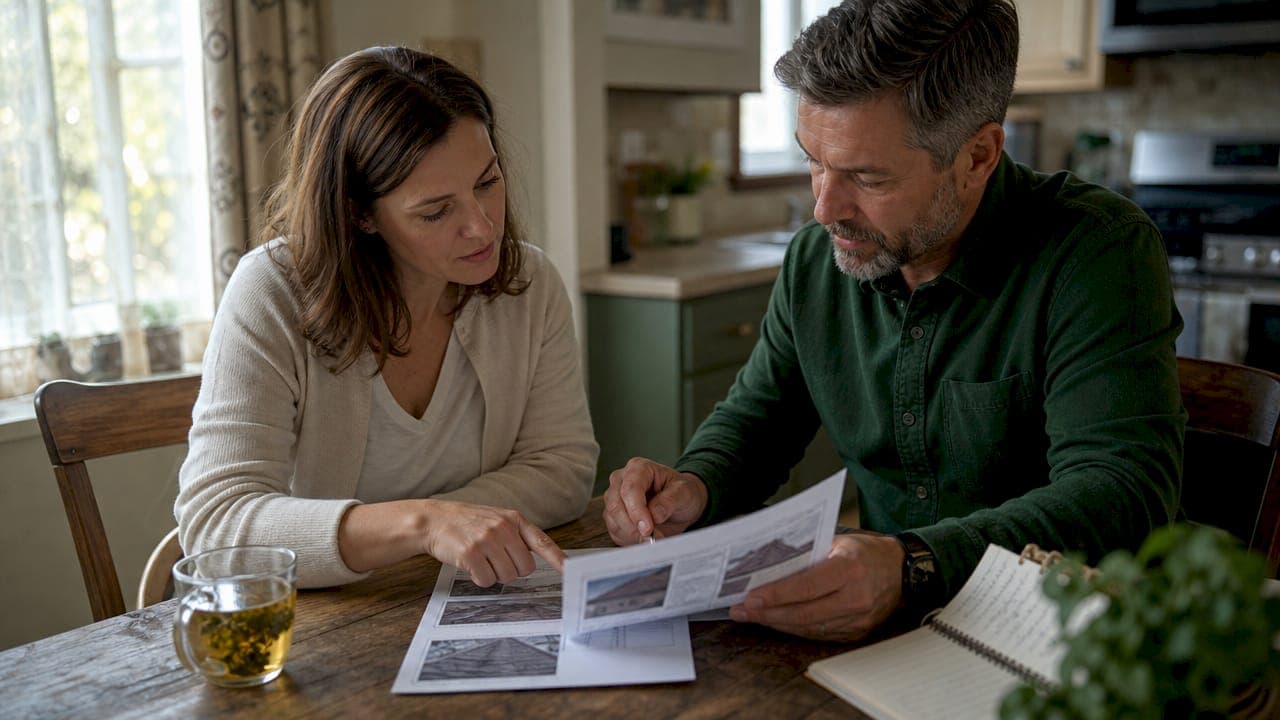
Roof replacement cost disclosure is the formal process of informing buyers about a property's roof age, condition, repair history, and known defects during a real estate transaction. This disclosure is not optional. Standard disclosure forms in 2026 require sellers to report roof age, active leaks, and any significant repairs completed within the last five years. Failing to disclose known defects exposes sellers to post-closing lawsuits, full replacement cost liability, and legal fees. For buyers, understanding roofing expense transparency before signing protects you from inheriting a costly problem with no legal recourse.
What is roof replacement cost disclosure in real estate?
Roof replacement cost disclosure is the seller's legal obligation to reveal the roof's current condition, age, and known repair history to prospective buyers. Most states treat active leaks as material defects, meaning they must always be disclosed regardless of the form used. The disclosure goes beyond a simple yes-or-no question about leaks. Sellers must report the roof's age, any repairs made in the last five years, and whether those repairs were permitted.
Permit status matters more than most sellers realize. Unpermitted roofing repairs create a cloud on title and can delay or derail a sale entirely, even when the physical work is high quality. Buyers now use digital tools to verify permit history before closing. A seller who skips the permit and skips the disclosure creates two separate legal problems at once.
What sellers must typically report
- Roof age and installation date
- Active leaks or water intrusion, past or present
- Significant repairs completed within the last five years
- Whether repairs were permitted and inspected
- Any insurance claims filed for roof damage
Pro Tip: Get a written roof inspection report from a licensed contractor before listing. It gives you a defensible paper trail and signals honesty to buyers from day one.
Sellers who treat disclosure as a formality often underestimate the legal exposure. Accurate disclosure may prevent costly post-closing legal actions that can wipe out the profit from a sale entirely.
How do roof replacement costs affect buyers and sellers during negotiations?
Roof condition directly shapes the financial outcome of a real estate transaction for both sides. The national average for replacing a 2,000 sq ft architectural shingle roof ranges from $9,000 to $16,000 in 2026. Premium materials like metal or tile can push that number well above $30,000. That range gives buyers real leverage when a roof is aging or damaged.
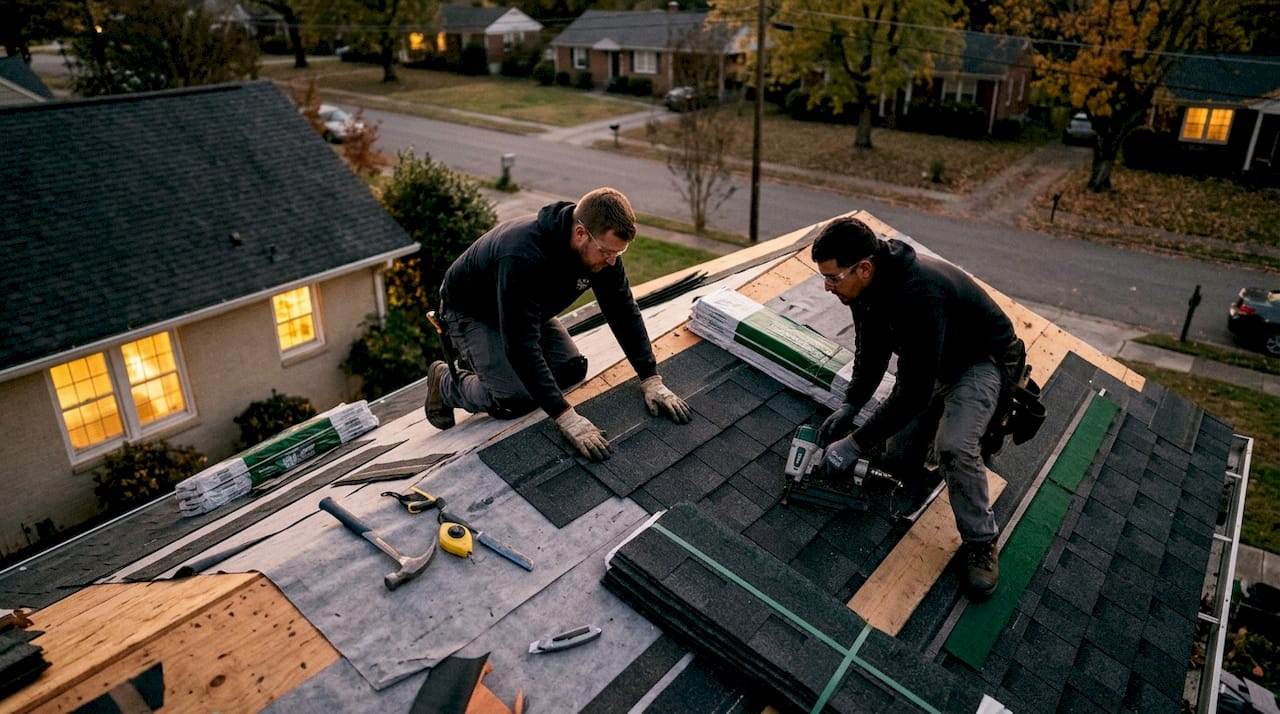
Insurance adds another layer of financial pressure. Insurance policies may apply roof deductibles up to 2% of the dwelling limit, and aged roofs can trigger actual cash value coverage downgrades instead of full replacement cost coverage. That shift directly affects what a buyer will pay out of pocket after a storm. Buyers who understand this negotiate harder and more effectively.
Roof replacement cost by material type (2026 estimates)
| Roofing material | Typical installed cost (2,000 sq ft home) |
|---|---|
| Asphalt shingles | $9,000–$15,000 |
| Architectural shingles | $9,000–$16,000 |
| Metal roofing | $15,000–$30,000+ |
| Tile or slate | $20,000–$40,000+ |
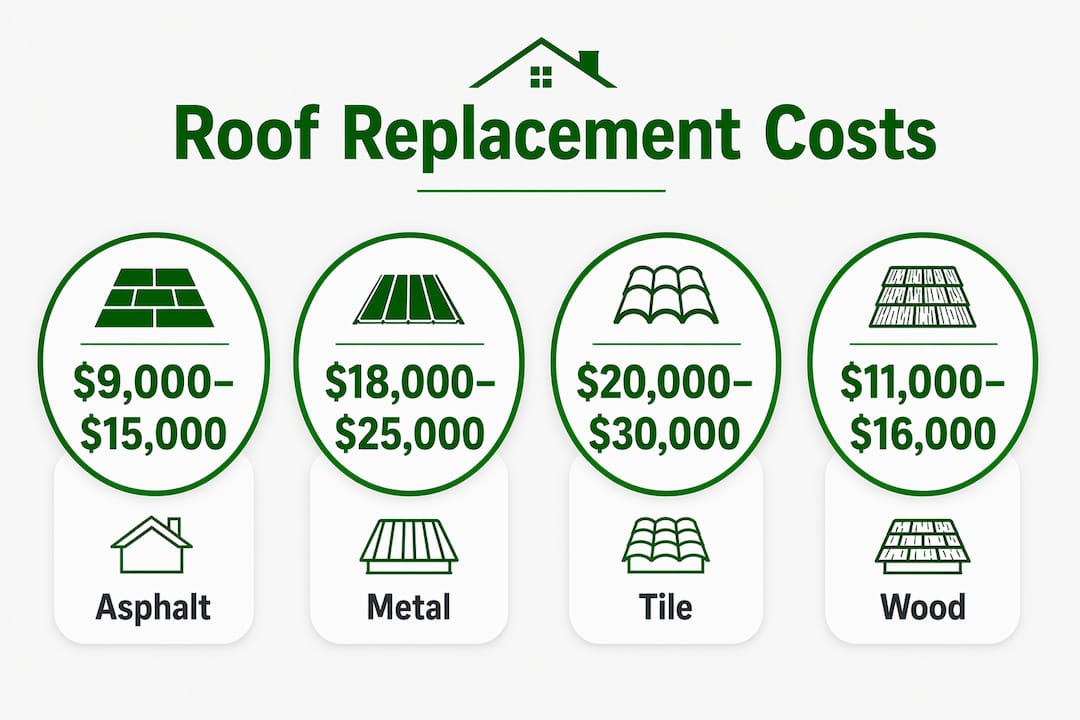
These figures include labor, permits, materials, and code upgrade costs. Buyers who receive accurate cost disclosure can compare these numbers against the asking price and negotiate a fair credit or price reduction. Sellers who hide the condition lose that goodwill and often face larger concessions later.
Pro Tip: If your roof is 15 or more years old, price the home to reflect it or replace it before listing. Buyers will find out either way, and a surprise during inspection costs more than proactive transparency.
Accurate pricing based on roof condition attracts serious buyers and reduces negotiation cycles. Homes listed with honest disclosures spend less time on the market. That is a measurable financial benefit for sellers who choose transparency over concealment.
What are the risks of failing to disclose roof replacement costs?
The financial and legal consequences of nondisclosure are severe. Undisclosed active leaks and unpermitted repairs can lead to post-closing lawsuits for the full replacement cost plus legal fees, eliminating every dollar of profit from the sale. Courts have consistently sided with buyers when sellers had documented knowledge of a defect and chose not to report it.
Buyers have more verification tools than ever before. They pull permit records, cross-reference insurance claims, and hire inspectors who specialize in identifying past water damage. A seller who believes an undisclosed repair will go unnoticed is taking a serious gamble.
The most common nondisclosure risks
- Post-closing lawsuits for full replacement cost plus attorney fees
- Rescission of the sale contract during the buyer's inspection window
- Title complications from unpermitted work requiring code corrections
- Loss of buyer trust and deal collapse during due diligence
Undisclosed aged roofs near end of life, even without active leaks, can trigger post-sale lawsuits if a seller is proven to have known the condition. A third-party life expectancy certification is a low-cost way to reduce that risk significantly.
Buyers negotiate not just replacement cost but also a risk premium for managing a roof project after closing, often 20–50% higher than the actual replacement estimate. That premium reflects the hassle, uncertainty, and time a buyer must invest. Sellers who complete repairs or replacements before listing avoid that inflated concession entirely. You can learn more about identifying signs of roof damage before a sale to stay ahead of buyer inspections.
How can sellers document and disclose roof condition effectively?
Effective disclosure is not just about legal compliance. It is about presenting your roof's condition in a way that builds buyer confidence and protects your sale price. The right documentation turns a potential liability into a selling point.
-
Order a third-party roof inspection. A licensed inspector's written report establishes the current condition and remaining useful life. This satisfies buyers, supports insurance underwriting, and gives you a defensible baseline if any dispute arises after closing.
-
Compile all repair and maintenance records. Receipts, contractor invoices, and warranty documents show buyers that the roof has been maintained. Maintenance records and life expectancy certificates are more effective than basic disclosures alone at influencing buyer decisions.
-
Confirm permit status for all past work. Pull your local permit records before listing. If past work was unpermitted, consult a contractor about retroactive permitting options. Permit transparency is now a standard buyer expectation and a title company requirement in many markets.
-
Decide between replacement, credit, or adjusted pricing. A roof near the end of its life gives you three options. Replace it before listing for maximum sale price. Offer a buyer credit equal to the replacement estimate. Or price the home below market to reflect the condition. Each path has trade-offs, and a roofing professional can help you calculate which one nets the most after closing.
-
Consult a real estate attorney if you are unsure what to disclose. Disclosure laws vary by state. When in doubt, disclose. The cost of legal advice before a sale is a fraction of the cost of a post-closing lawsuit. You can also review a repair vs. replacement guide to clarify your options before making that decision.
What I've learned about disclosure after years in roofing
The sellers who get into trouble are almost never dishonest people. They are people who genuinely did not understand what they were required to disclose. They thought a roof that "doesn't leak right now" was a roof that didn't need to be disclosed. That misunderstanding is expensive.
The most common mistake I see is treating disclosure as a legal checkbox rather than a communication tool. Buyers are not just asking "is the roof broken?" They are asking "how much will this cost me in the next five years?" Remaining useful life, insurance implications, and permit history all feed into that question. A seller who answers only the narrow legal question leaves buyers anxious and negotiating harder.
Proactive disclosure consistently produces better outcomes. Sellers who share inspection reports, maintenance records, and honest assessments of roof age close faster and with fewer late-stage surprises. Buyers who feel informed do not pad their offers with fear-based risk premiums. That is a real financial benefit, not just a feel-good principle.
My honest advice: get the inspection done before you list, share the results openly, and let the numbers speak. If the roof needs work, address it or price accordingly. The sellers who try to hide condition problems almost always end up worse off than if they had been upfront from the start.
— Steve
Chattanoogaroofrepairs can help you prepare for accurate disclosure
Selling a home with confidence starts with knowing exactly what your roof's condition is before a buyer's inspector finds out first.
Chattanoogaroofrepairs provides licensed inspections, documented repairs, and full replacement services using GAF and Owens Corning materials, giving you the paper trail that disclosure forms require. Whether you need storm and hail damage repair documented before listing or a full shingle replacement to maximize your sale price, the team delivers same-day response and transparent pricing. No pressure, no guesswork. Just honest assessments and quality workmanship that hold up to buyer scrutiny. Contact Chattanoogaroofrepairs for a no-pressure inspection before you list.
Key takeaways
Roof replacement cost disclosure is a legal requirement in most states, and sellers who skip it face post-closing lawsuits that can eliminate their entire profit from the sale.
| Point | Details |
|---|---|
| Disclosure is legally required | Sellers must report roof age, leak history, and repairs from the last five years on standard forms. |
| Replacement costs shape negotiations | Asphalt shingle roofs average $9,000–$16,000 installed; buyers use this to negotiate credits or price reductions. |
| Nondisclosure carries serious risk | Undisclosed defects can result in lawsuits for full replacement cost plus legal fees after closing. |
| Permit status affects title | Unpermitted roofing work creates title clouds that delay or kill sales, even when the work quality is good. |
| Documentation builds buyer confidence | Inspection reports and maintenance records reduce buyer risk premiums and speed up the sale process. |
FAQ
What does roof replacement cost disclosure require?
Roof replacement cost disclosure requires sellers to report the roof's age, any active leaks, and significant repairs completed within the last five years. Standard disclosure forms in 2026 treat active leaks as material defects that must always be reported.
How much does a roof replacement cost in 2026?
Asphalt shingle roofs for a typical home cost between $9,000 and $16,000 installed in 2026, while metal and tile options can exceed $30,000. Costs vary by material, region, and whether code upgrades are required. See a full 2026 cost estimate guide for a detailed breakdown.
Can a seller be sued for not disclosing roof problems?
Yes. Undisclosed defects can result in post-closing lawsuits for the full replacement cost plus attorney fees, which can eliminate the seller's profit entirely.
Do unpermitted roof repairs need to be disclosed?
Unpermitted repairs must be disclosed because they create a cloud on title and can require costly code corrections after the sale. Permit transparency is now a standard expectation from both buyers and title companies.
How does roof age affect a buyer's insurance coverage?
An aging roof can trigger an insurance downgrade from replacement cost coverage to actual cash value coverage, which pays significantly less after a loss. Insurance policies may also apply roof deductibles up to 2% of the dwelling limit, directly affecting a buyer's out-of-pocket costs.