
A roof replacement cost estimate is a detailed projection of every expense involved in replacing your roof, covering materials, labor, permits, tear-off, and potential repairs. Standard replacement costs in 2026 range from $7,000 to $35,000, averaging around $13,500 depending on your home's size, location, and the materials you choose. That range is wide because no two roofs are identical. Understanding what goes into a roof replacement cost estimate before you talk to a contractor puts you in control of the conversation and protects your budget from surprise charges.
What are the main components of a roof replacement cost estimate?
A roof replacement cost estimate breaks down into two primary buckets: labor and materials. Labor accounts for 50–55% of the total project cost, while materials make up 40–45%. That split matters because labor wages have risen 20–35% since 2021 due to ongoing industry labor shortages, which means the labor line on your estimate deserves close attention.
Here are the core cost categories you should expect to see on any complete estimate:
- Roofing materials: The shingles, underlayment, ice and water shield, and ridge caps. Material costs per square foot range from $3.50 to $30 depending on material type.
- Labor: Installation, staging, and cleanup. This is the largest single cost driver in 2026.
- Tear-off and disposal: Removing your existing roof layers. Tear-off requirements vary by municipality and local code. Full tear-offs cost more than layovers but are often required for code compliance.
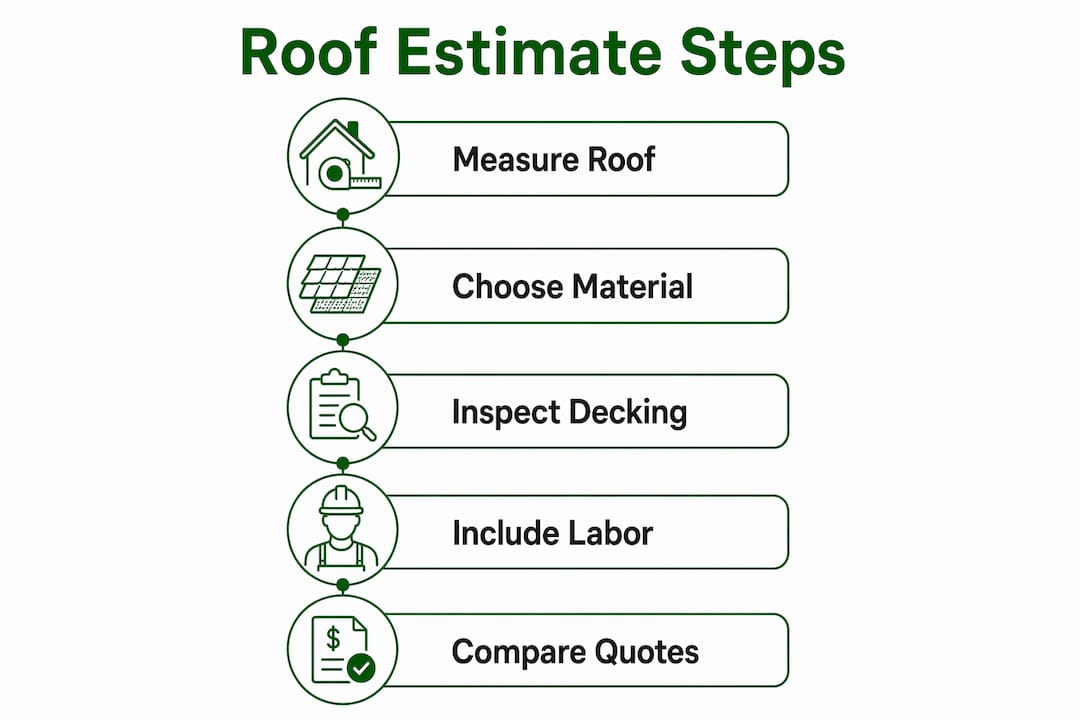
- Decking repair: Rotted or damaged sheathing discovered during tear-off. A professional roof inspection costs $100–$300 and can identify hidden decking damage that adds $1,000–$3,000 to the final bill.
- Flashing replacement: Metal flashing around chimneys, skylights, and valleys. Flashing replacement runs $200–$500 per area.
- Permits and code upgrades: Required in most jurisdictions. Ventilation improvements and code-driven upgrades are common add-ons.
Hidden costs are the biggest source of budget shock. Rotted decking, improper ventilation, and outdated flashing rarely show up in a rough estimate. They surface only after tear-off begins.
Pro Tip: Ask every contractor whether their estimate includes a full tear-off or a layover. A layover adds a second shingle layer over the existing one, which is cheaper upfront but can void manufacturer warranties from brands like GAF and Owens Corning and may not meet local code.
How do you calculate an accurate roof replacement cost estimate?
Not all estimates carry the same weight. Understanding the difference between a rough estimate, a detailed estimate, and a firm quote protects you from overpaying.
- Rough estimate: Based on your home's square footage and a standard material type. Useful for initial budgeting only. Accuracy is limited because the contractor has not inspected the roof.
- Detailed estimate: Generated after a contractor reviews photos, satellite imagery, or conducts a brief site visit. More reliable, but still subject to change once tear-off reveals the decking condition.
- Firm quote: Issued after a thorough on-site inspection. This is the number you should base your budget on. Relying on estimates alone can cause overpayment by $2,000–$8,000 compared to a firm quote. That gap is significant on a $13,500 average project.
Online roof cost calculators from sources like HomeAdvisor or Angi can help you build a rough baseline. Enter your roof's square footage, pitch, and preferred material to get a ballpark figure. These tools are useful for setting expectations before contractor conversations, not for finalizing a budget.
Roof complexity also drives cost variation. A simple gable roof costs less to replace than a hip roof with multiple valleys, dormers, or skylights. Contractors apply a waste factor of 10–15% to account for cuts and overlaps on complex rooflines. Your location matters too. Labor rates in Chattanooga, TN differ from rates in San Francisco or New York, so national averages only tell part of the story.
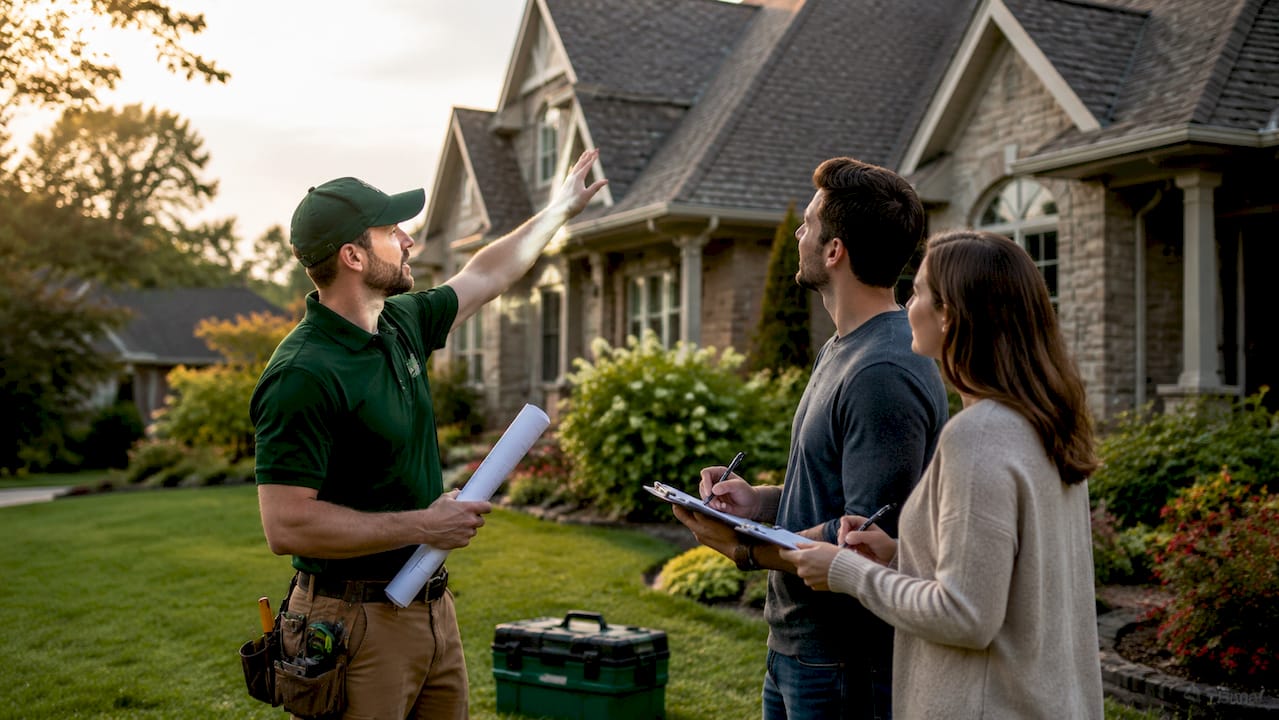
Pro Tip: Get at least three written estimates and compare them line by line. Look for what each contractor includes and excludes. A low bid that omits tear-off, disposal, or flashing repair is not actually a low bid. Check out this roofing estimate breakdown to know exactly what line items to expect.
What is the typical cost range by material and roof size?
Material choice is the single biggest variable in your roof replacement pricing breakdown. Here is a comparison of common roofing materials with installed costs and expected lifespans:
| Material | Installed Cost per Sq Ft | Expected Lifespan |
|---|---|---|
| 3-tab asphalt shingles | $3.50–$5.50 | 15–25 years |
| Architectural asphalt shingles | $4.50–$7.00 | 25–30 years |
| Metal roofing (standing seam) | $10.00–$18.00 | 40–70 years |
| Concrete or clay tile | $12.00–$25.00 | 50+ years |
| Slate | $18.00–$30.00 | 75–100 years |
Architectural shingles from manufacturers like GAF or Owens Corning represent the most popular choice for residential homes. A 2,000 sq ft home with architectural shingles runs roughly $9,000–$16,000 installed, including materials, labor, and permits. That range reflects regional labor differences and roof complexity.
For a clearer picture of how size affects total cost, consider these project examples using architectural shingles:
- 1,000 sq ft roof: $5,000–$9,000
- 1,500 sq ft roof: $7,000–$12,000
- 2,000 sq ft roof: $9,000–$16,000
- 3,000 sq ft roof: $13,000–$24,000
Metal roofing costs more upfront but delivers a significantly longer lifespan. A homeowner who pays $15,000 for a standing seam metal roof today may not need another replacement for 50 years. An asphalt shingle roof at $10,000 may need replacement in 25 years. Over a 50-year period, the metal roof is often the more cost-effective choice.
Regional labor rates add another layer of variation. Contractors in high cost-of-living metro areas charge more per hour than those in mid-size cities like Chattanooga. Always factor local labor rates into any national average you find online.
How to compare and evaluate estimates from contractors
Getting multiple estimates is not just good practice. Getting at least three written estimates is the standard recommendation from roofing industry professionals, and comparing them line by line is where the real work happens.
Here is what to look for when reviewing each estimate:
- Scope of work: Does it specify full tear-off or layover? Does it list the exact material brand and product line, such as GAF Timberline HDZ or Owens Corning Duration?
- Tear-off and disposal fees: These should appear as separate line items. An estimate that bundles everything into one number makes comparison impossible.
- Flashing details: Will the contractor replace all flashing, or only repair sections? Partial flashing work is a common source of future leaks.
- Warranty terms: Distinguish between the manufacturer's material warranty and the contractor's workmanship warranty. GAF and Owens Corning offer manufacturer-backed warranties, but only when their certified contractors install the product.
- Payment schedule: Reputable contractors do not require full payment upfront. A deposit of 10–30% is standard.
Comparing estimates line by line is the most reliable way to spot contractors who omit tear-off, disposal, or flashing to appear cheaper. A bid that looks $2,000 lower than competitors may simply be missing those line items. You can review what a complete estimate should contain in this homeowner estimate guide.
Watch for bids that are significantly higher or lower than the others. An inflated bid may include unnecessary upgrades. An unusually low bid often signals cut corners on materials, labor quality, or both. The middle estimate from a licensed, insured contractor with verifiable local references is usually the most reliable starting point.
Key takeaways
Accurate roof replacement budgeting requires understanding cost components, comparing firm quotes over rough estimates, and reviewing every line item before signing a contract.
| Point | Details |
|---|---|
| Labor is the largest cost driver | Labor accounts for 50–55% of total project cost, with wages up 20–35% since 2021. |
| Estimates and firm quotes differ significantly | Relying on rough estimates instead of firm quotes can lead to overpayment of $2,000–$8,000. |
| Material choice affects long-term value | Architectural shingles cost $4.50–$7.00 per sq ft installed; metal roofing costs more but lasts 40–70 years. |
| Hidden costs are real and common | Rotted decking, flashing repairs, and code upgrades can add $1,000–$5,000 to any base estimate. |
| Three written estimates is the minimum | Line-by-line comparison reveals omitted costs that make low bids appear cheaper than they actually are. |
What i've learned after years of roofing estimates
The most common mistake I see homeowners make is treating the first estimate they receive as the final word. A rough number over the phone or from a satellite image is a starting point, not a commitment. The real cost only becomes clear after someone physically walks your roof and inspects the decking.
Transparency is everything in this business. When a contractor hands you a one-line estimate that says "$11,000 for new roof," that tells you almost nothing. You do not know what material they plan to use, whether tear-off is included, or what happens if they find rotted decking. Ask for a written, itemized estimate every time. If a contractor resists that request, that is your answer.
The labor market has changed the math on roofing projects in ways that surprised even experienced contractors. Skilled roofers are harder to find and more expensive to hire than they were five years ago. That reality is baked into every estimate you receive right now. Budget a contingency of 10–15% above your firm quote to cover surprises discovered during tear-off. Homeowners who skip that buffer are the ones who end up stressed mid-project.
If you are unsure whether your roof needs full replacement or targeted repairs, start with a professional inspection. The $100–$300 cost is money well spent. It gives you documented evidence of your roof's condition, which also helps when filing an insurance claim after storm damage. Proactive budgeting with real data beats reactive spending every time.
— Steve
Get a transparent roof replacement estimate in chattanooga
Chattanoogaroofrepairs serves homeowners and property investors across Chattanooga and the surrounding area with honest, detailed roofing estimates backed by certified expertise. We use materials from GAF and Owens Corning and provide fully itemized quotes so you know exactly what you are paying for before any work begins.
Our team conducts thorough inspections that identify hidden issues before they become expensive surprises. Whether you need a full roof replacement or want to explore shingle replacement options, we walk you through every line item with no pressure and no guesswork. Contact Chattanoogaroofrepairs today for a no-pressure consultation and a written estimate you can actually compare.
FAQ
What does a roof replacement cost estimate include?
A complete estimate covers materials, labor, tear-off and disposal, flashing, permits, and any decking repairs identified during inspection. Estimates that bundle all costs into a single number make it impossible to compare bids accurately.
How much does roof replacement cost for an average home?
A 2,000 sq ft home with architectural shingles costs roughly $9,000–$16,000 installed in 2026, including materials, labor, and permits. Total costs vary based on roof complexity, material choice, and regional labor rates.
What is the difference between a roof estimate and a firm quote?
A roof estimate is a projected cost based on limited information, while a firm quote follows a detailed on-site inspection and is significantly more accurate. Relying on estimates instead of firm quotes can result in overpayment of $2,000–$8,000.
How can i avoid hidden costs in a roof replacement?
Schedule a professional inspection before accepting any estimate. Inspections cost $100–$300 and reveal issues like rotted decking that can add $1,000–$3,000 to the final project cost if left undetected.
How many estimates should i get before choosing a contractor?
Get at least three written, itemized estimates and compare them line by line. Look specifically for whether tear-off, disposal, and flashing replacement are included, since contractors often omit these items to appear cheaper.