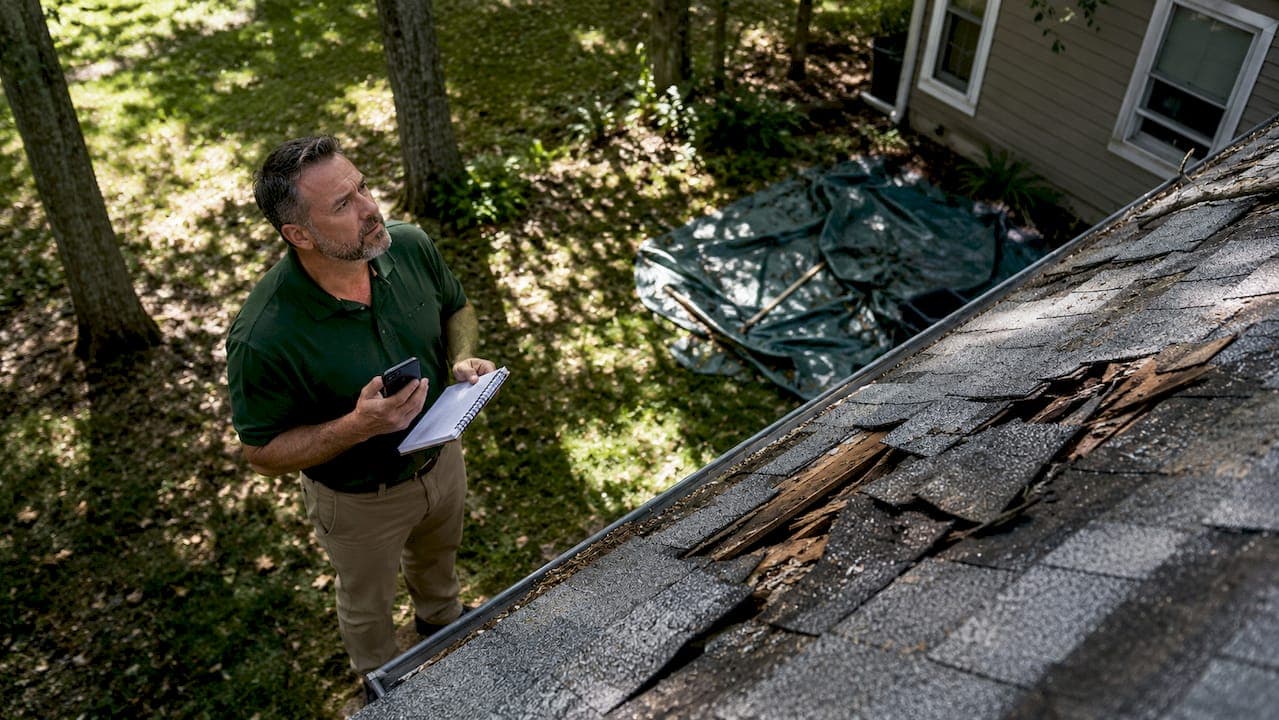
Fast roof repair benefits are the measurable advantages homeowners gain when they address storm damage within hours rather than days. Acting quickly limits water intrusion, prevents mold growth, and protects the structural integrity of your home before a manageable repair becomes a major restoration. Mold can begin growing on wet building materials within 24 to 48 hours of water intrusion. That single fact makes the difference between a $15,000 repair and a $60,000 nightmare. If your roof took a hit from a recent storm, speed is not optional. It is the most important decision you will make.
1. What are the top fast roof repair benefits?
Quick roofing advantages go well beyond stopping a drip. Acting fast after storm damage delivers a chain of protective outcomes that compound the longer you maintain urgency.
- Mold prevention. Mold starts growing within 24 to 48 hours on wet materials. Repairing the breach before that window closes eliminates the risk entirely.
- Structural protection. Water spreads from roofing materials into insulation, decking, and drywall within hours. Fast repairs stop that progression before wood rot sets in.
- Lower total costs. A small repair addressed immediately costs a fraction of what full mold remediation and structural restoration run. WrightWay's data shows a tarped 10-square-foot hole costs roughly $15,000 to restore. Left open for a week, that same hole can cost $60,000 to $80,000.
- Healthier indoor air. Mold spores degrade indoor air quality and trigger respiratory problems. Fast repairs prevent the conditions that allow mold colonies to establish.
- Energy efficiency. Saturated insulation loses its thermal resistance. Repairing the roof quickly preserves your insulation and keeps heating and cooling costs stable.
- Home value protection. Visible water stains, sagging ceilings, and mold damage reduce appraised value. Rapid repairs keep your home's condition and curb appeal intact.
- Smoother insurance claims. Documented quick action shows your insurer you mitigated damage responsibly. That documentation supports your claim and reduces disputes.
- Peace of mind. Knowing your roof is secure before the next rain event removes the anxiety that comes with an unresolved breach.
Pro Tip: Take timestamped photos of all visible damage immediately after the storm. This documentation is your strongest asset when filing an insurance claim.
2. How moisture intrusion progresses and why timing is critical
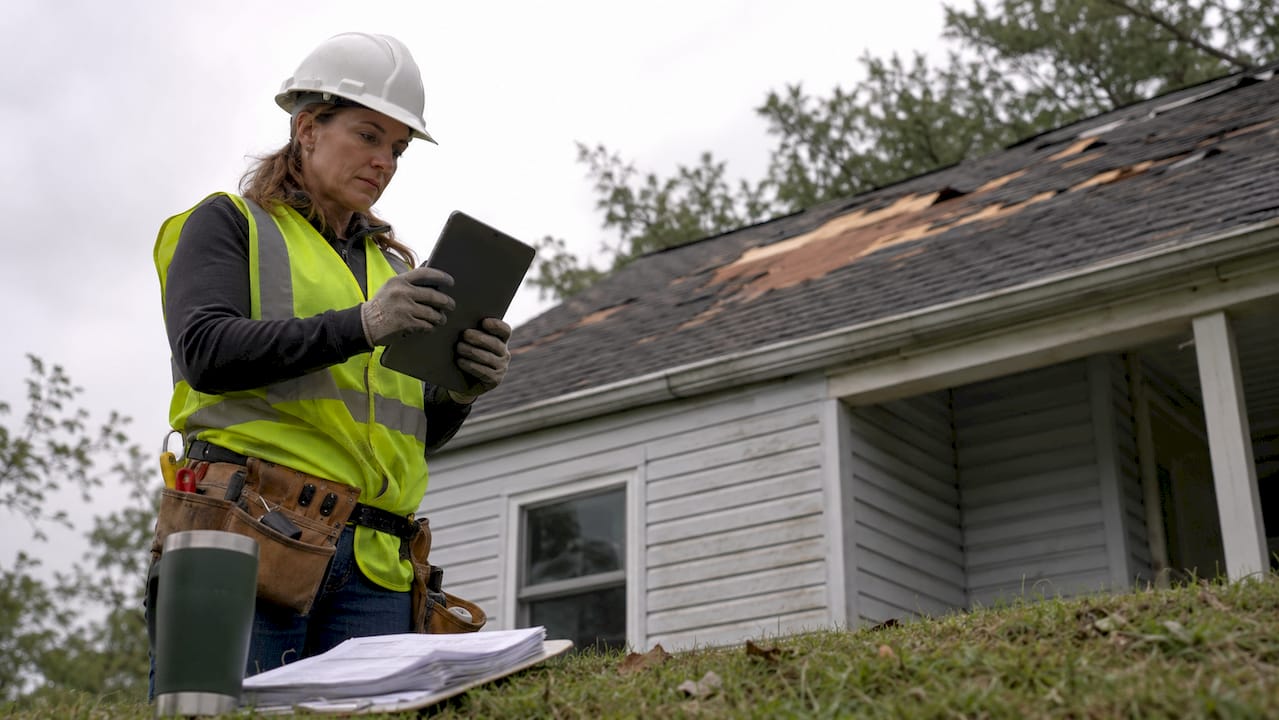
Water does not stay where it lands. Once it breaches your roof, it moves fast and hides well.
The sequence starts at the point of entry, whether that is a missing shingle, a cracked flashing, or a puncture from storm debris. Water saturates the roofing felt, then reaches the decking. From there it wicks into attic insulation and eventually contacts drywall and ceiling joists. Each material it touches becomes a potential mold host. Proper moisture mapping and verification are critical to identifying hidden damage pockets that a visual inspection alone will miss.
The 48-hour threshold is not a guideline. It is a physical reality tied to mold germination rates. Once mold establishes, remediation costs multiply by 3 to 10 times compared to simple drying and repair. Professional restoration companies use moisture monitoring equipment to dry structures within 3 to 5 days to prevent mold re-growth after materials reach safe moisture levels.
| Time after water intrusion | What happens | Risk level |
|---|---|---|
| 0–6 hours | Water saturates roofing materials and decking | Low to moderate |
| 6–24 hours | Insulation absorbs moisture, drywall wets | Moderate |
| 24–48 hours | Mold germination begins on wet surfaces | High |
| 48–72 hours | Mold colonies establish, structural wood softens | Severe |
| 72+ hours | Full mold remediation required, rot possible | Critical |
"Small visible leaks often mask hidden damage pockets in attic insulation and roof decking. Fast location of failure points enables efficient permanent repairs." — Auk Roofers Emergency Roof Repair
Pro Tip: If you cannot get a contractor on-site within 24 hours, call for emergency tarping first. A tarp buys you time and dramatically limits how far water travels.
3. What an expedited roof repair process looks like
Understanding the repair workflow helps you move faster and ask the right questions when you call a contractor.
A rapid response repair follows a clear sequence. Each step builds on the last, and skipping any one of them creates gaps that slow the overall process.
- Rapid on-site assessment. A licensed contractor inspects the damage, documents it with photos and moisture readings, and identifies all failure points including hidden ones.
- Emergency tarping or temporary cover. A tarp goes on the same day to stop active water entry. This is the single most time-sensitive step in the entire process.
- Damage documentation for insurance. The contractor compiles a written report with photos, measurements, and material specifications. This package supports your insurance claim directly.
- Material procurement. Expedited repair workflows prioritize fast sourcing of shingles, flashing, and decking materials. Contractors working with brands like GAF and Owens Corning can often pull from local distributor stock.
- Permanent repair execution. The actual repair follows building codes and manufacturer warranty requirements. Cutting corners here voids warranties and creates liability.
- Post-repair moisture verification. A final moisture check confirms all wet materials have dried to safe levels before any interior work begins.
Expedited repair workflows minimize interior damage, reduce mold risk, and help homeowners complete insurance claims faster. The difference between a contractor who follows this sequence and one who does not shows up directly in your final bill and your claim outcome.
Understanding how long roof repairs typically take helps you set realistic expectations and plan accordingly.
4. Fast repair vs. delayed response: the real cost comparison
The financial case for speed is not subtle. Delay compounds damage in ways that are difficult to reverse and expensive to fix.
A small breach addressed within hours results in a repair bill measured in hundreds to low thousands of dollars. The same breach left unaddressed for a week pulls in mold remediation, structural drying, insulation replacement, drywall repair, and potentially framing work. Acting quickly prevents costs from rising from hundreds to thousands depending on damage severity and extent.
| Scenario | Typical cost range | Key driver |
|---|---|---|
| Tarped within hours, repaired within 48 hours | ~$15,000 restoration | Minimal water spread |
| Left open for one week | $60,000–$80,000 restoration | Mold plus structural damage |
| Delayed beyond 72 hours with active leak | Varies, often exceeds $20,000 | Mold remediation added |
| Minor damage with no active leak, repaired within 2 weeks | Low to moderate cost | Stable weather, no spread |
Beyond cost, delayed repairs create health risks that money cannot fully reverse. Mold exposure causes respiratory issues, allergic reactions, and in severe cases, long-term health complications. Your home's insurance claim also becomes harder to defend when documentation shows you waited. Insurers look for evidence of prompt mitigation. A week-long gap in action gives them grounds to reduce your payout.
5. When fast roof repair is essential vs. when you have more time
Not every roof issue demands a same-day response. Knowing the difference helps you prioritize correctly and avoid panic decisions.
Situations requiring immediate action:
- Active water dripping or pooling inside the home
- Missing shingles exposing bare decking to open sky
- Sagging or soft spots in the roof deck
- Daylight visible through the attic ceiling
- Storm debris puncturing the roof surface
- Flashing pulled away from chimneys or vents
Situations where a short wait is acceptable:
- Minor granule loss on shingles with no active leak
- Small cosmetic damage with stable, dry weather forecast
- Hairline cracks in flashing with no moisture penetration confirmed
Roof repair should begin within 24 to 48 hours after damage appears to limit water intrusion and structural deterioration. When you are unsure whether your situation is urgent, treat it as urgent until a professional tells you otherwise. A storm damage roof assessment from a licensed contractor takes less than an hour and removes all guesswork.
Temporary tarping is a critical interim measure when permanent repair cannot happen immediately. It is effective only when followed closely by permanent repairs. Tarping is a bridge, not an endpoint. Leaving a tarp in place for weeks without scheduling permanent work allows hidden moisture to continue damaging materials beneath it.
Key takeaways
Fast roof repair is the most cost-effective decision a homeowner can make after storm damage, because mold, structural rot, and insurance complications all accelerate the longer a breach stays open.
| Point | Details |
|---|---|
| Act within 24–48 hours | Mold begins growing on wet materials within this window, raising remediation costs by 3 to 10 times. |
| Tarp first, repair second | Same-day emergency tarping stops water entry and limits damage spread before permanent work begins. |
| Document everything | Timestamped photos and contractor reports support insurance claims and reduce payout disputes. |
| Cost gap is dramatic | A tarped breach costs roughly $15,000 to restore; the same breach left open a week can reach $60,000 to $80,000. |
| Know your urgency signals | Active leaks, missing shingles, and sagging decking all require immediate professional response. |
What I've learned from watching homeowners wait too long
The most common mistake I see after a storm is homeowners treating a roof breach like a minor inconvenience. They wait for the rain to stop, then wait for a callback, then wait for a "good time" to schedule. By day three, what started as a $2,000 shingle repair has turned into a mold assessment, a drywall tear-out, and a five-figure insurance claim.
Your roof is the one system on your home that has no backup. When it fails, everything below it is exposed. I have seen families displaced for weeks because a small hole went unaddressed for 72 hours. The mold moved faster than the repair schedule.
The contractors who deliver the best outcomes are the ones who show up with a tarp before they show up with a repair crew. Emergency tarping is not a upsell. It is the most protective thing a contractor can do for you in the first 24 hours. If a roofer cannot offer same-day tarping after a storm, find one who can.
My advice is direct: call your contractor before you call your insurance company. Get the tarp on, get the damage documented, and then file the claim with a full report in hand. Insurers respond better to homeowners who demonstrate they acted fast and responsibly. That sequence protects both your home and your claim.
— Steve
Chattanoogaroofrepairs: fast storm damage response in Chattanooga
Storm damage does not wait for a convenient schedule. Chattanoogaroofrepairs specializes in emergency roof repairs, same-day tarping, and full storm damage restoration across Chattanooga and surrounding areas.
The team uses certified materials from GAF and Owens Corning, performs comprehensive 21-point inspections, and provides insurance-ready documentation from the first visit. Whether you need roof leak repair or full storm and hail damage repair, Chattanoogaroofrepairs delivers transparent pricing and a no-pressure assessment. Call today for a rapid on-site evaluation and get your home protected before the next weather event arrives.
FAQ
How quickly should I repair my roof after storm damage?
Roof repair should begin within 24 to 48 hours after damage appears. If permanent repair cannot happen immediately, emergency tarping the same day stops active water intrusion.
Can mold really start growing that fast after a roof leak?
Yes. Mold begins growing on wet building materials within 24 to 48 hours of water intrusion. Delaying repairs beyond that window raises remediation costs by 3 to 10 times.
Does acting fast actually help my insurance claim?
Documented quick action shows your insurer you mitigated damage responsibly. Insurers use evidence of prompt mitigation to validate claims and reduce disputes over payout amounts.
What is the first step after storm roof damage?
Call a licensed contractor for same-day emergency tarping. This stops water entry immediately and limits how far moisture spreads into insulation, decking, and drywall.
How much more does a delayed roof repair cost?
A breach tarped within hours may result in roughly $15,000 in restoration costs. The same breach left open for a week can cost $60,000 to $80,000 due to added mold and structural damage.