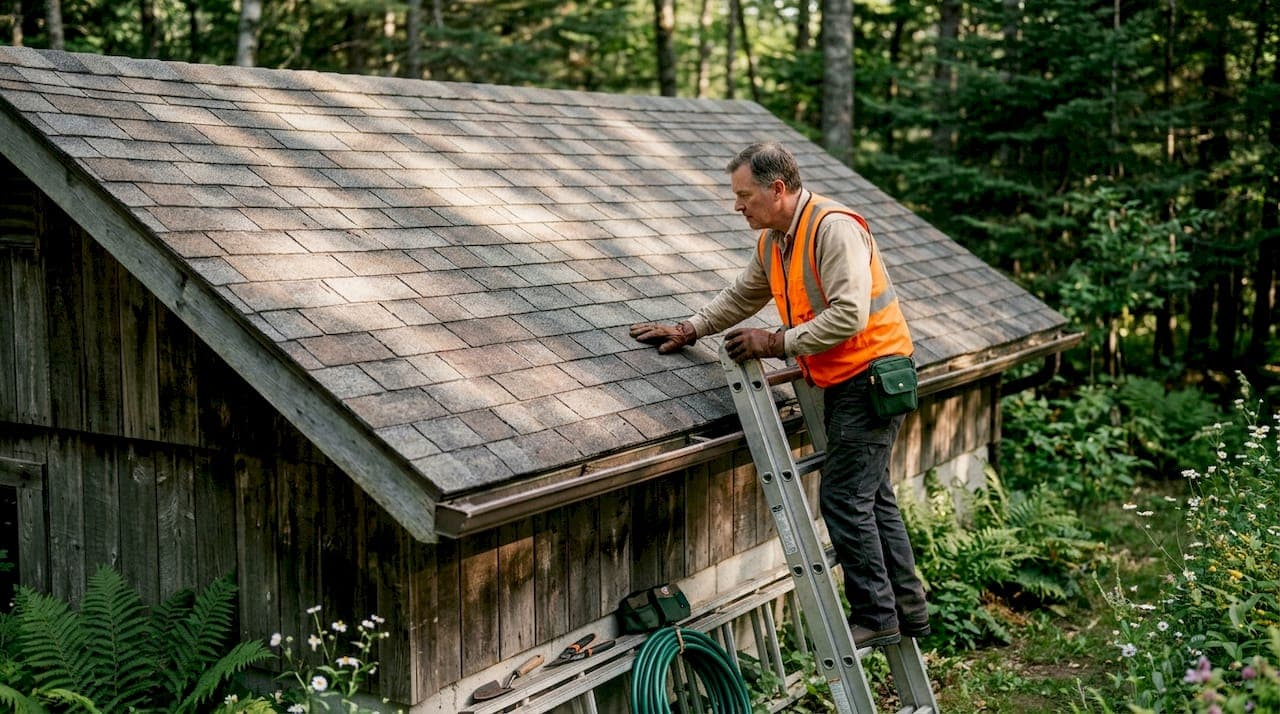
Roof damage is defined as any breach in your roofing system that allows water, air, or debris to penetrate the protective layers above your home. The industry term for this progression is "roof deterioration cascade," and it describes exactly why roof damage worsens without repair: each unaddressed failure point creates conditions that accelerate the next. A pinhole leak causes structural damage within 90 days, and water intrusion left beyond three months produces repair costs seven times higher than fixing the problem within 30 days. For homeowners in Chattanooga and surrounding areas, understanding this progression is the clearest reason to act fast after any storm.
How does minor roof damage lead to major structural problems?
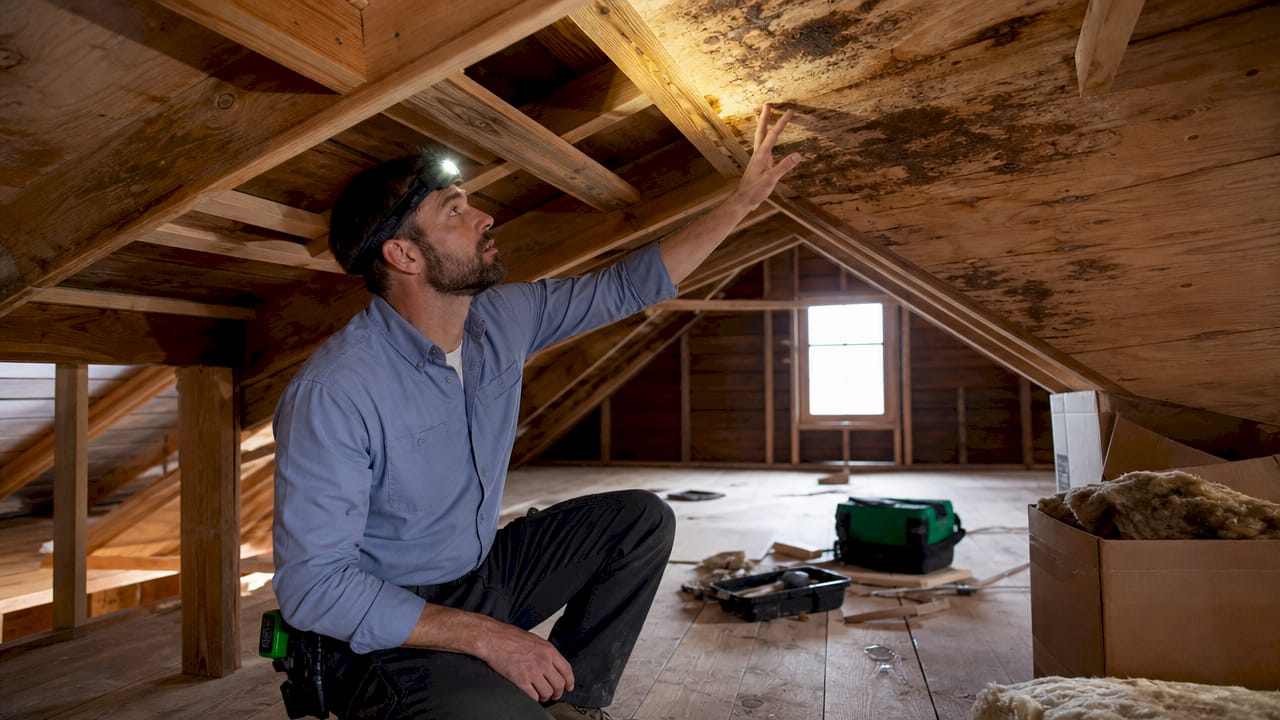
Small roof problems do not stay small. Water follows the path of least resistance, and once it gets past a damaged shingle or cracked flashing, it soaks into the OSB sheathing beneath. OSB, or oriented strand board, is the structural wood panel that forms your roof deck. When it stays wet, it swells, delaminates, and rots within weeks.
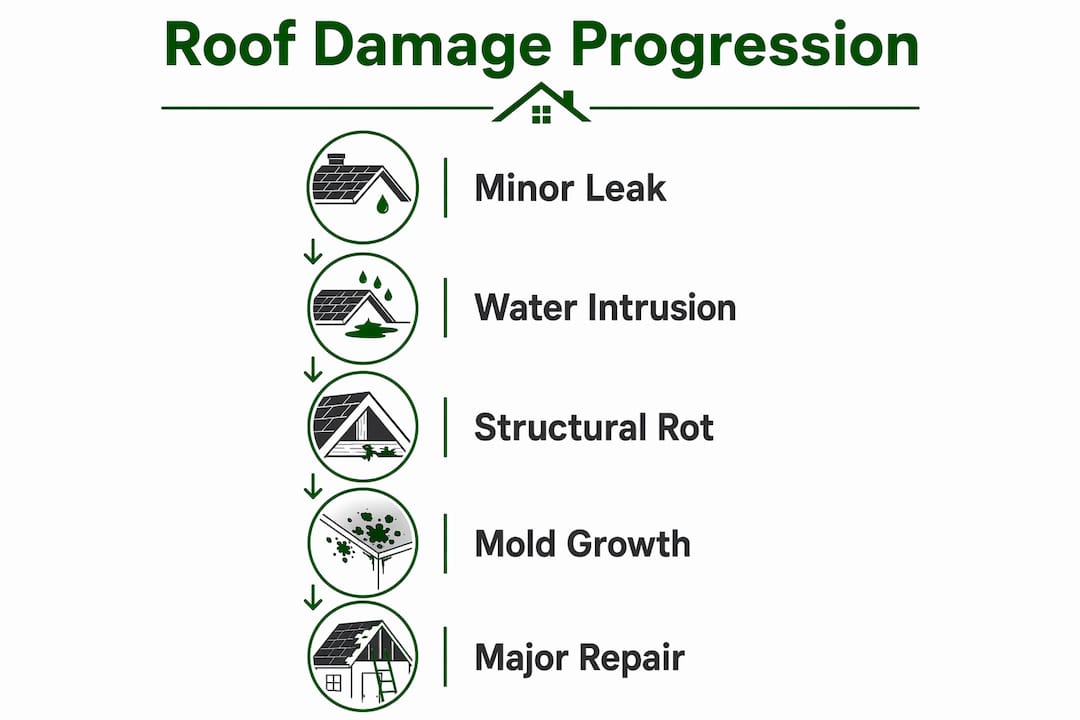
The deterioration moves in a predictable sequence:
- Water enters through a missing shingle, cracked flashing, or lifted seam.
- OSB sheathing absorbs moisture and begins to soften within days.
- Roof framing and rafters absorb water from the saturated deck, weakening load-bearing capacity.
- Insulation becomes saturated, losing all thermal resistance and adding dead weight to the ceiling below.
- Drywall and ceiling joists absorb the moisture, causing staining, sagging, and eventual collapse risk.
Wet insulation loses all thermal resistance and can cause ceiling sag from added weight. That sag is not cosmetic. It signals that the structural assembly above is compromised.
Freeze-thaw cycles make this worse in colder months. Water trapped in cracks expands when it freezes, widening gaps and forcing moisture deeper into the roofing system. Ice dams form when heat escapes through damaged insulation, melting snow that refreezes at the eaves and drives water under shingles. Chattanooga winters are mild but not immune to these cycles, and a single freeze event can turn a manageable leak into a framing problem.
Pro Tip: A $300 shingle or flashing repair completed promptly can prevent $5,000 in structural damage later. Schedule a repair the week you notice damage, not the month after.
What financial consequences come with delaying roof repairs?
Delayed roof repairs cost far more than the original fix. Repair costs escalate sevenfold when water intrusion goes unaddressed beyond three months. That math is straightforward: a $400 flashing repair becomes a $2,800 or higher structural restoration bill.
The financial damage spreads beyond the roof itself. Here is where homeowners consistently underestimate the long-term effects of roof neglect:
- Energy bills rise. Damaged or saturated insulation forces your HVAC system to work harder. Heating and cooling costs increase by 15–25% from compromised roof efficiency, adding hundreds of dollars per year.
- Mold remediation is expensive. Mold spores colonize wet roof materials within 24–48 hours under the right conditions. Professional mold remediation often requires hazmat crews before any structural repair can begin.
- Insurance claims get denied. Insurance adjusters identify and deny claims when damage shows signs of long-term neglect rather than a sudden event. Homeowners then pay full restoration costs out of pocket.
- Emergency repair rates apply. Emergency response costs significantly exceed the price of timely, scheduled repairs. Waiting until after a severe weather event guarantees you pay the premium rate.
The cost of ignoring roof repairs is not just the repair bill. It is the mold remediation, the drywall replacement, the insulation removal, the insurance gap, and the higher utility bills compounding month after month.
| Cost Category | Impact of Delay |
|---|---|
| Structural repair | Costs escalate sevenfold beyond three months |
| Energy bills | 15–25% increase from insulation failure |
| Mold remediation | Requires hazmat crews, often before structural work |
| Insurance coverage | Claims denied for neglect-related damage |
| Emergency labor | Premium rates apply after severe weather events |
For a practical overview of how to protect your claim, the roof insurance claim steps guide from Chattanoogaroofrepairs walks through the documentation process that keeps your coverage intact.
What signs indicate that roof damage is getting worse?
Visible signs are the ones most homeowners catch. Hidden signs are the ones that cause the most damage before anyone notices. Recognizing both categories is what separates a $400 repair from a $15,000 restoration.
Visible warning signs:
- Missing, curling, or cracked shingles after a storm
- Dark water stains on ceilings or upper walls
- Sagging areas on the ceiling or roof deck
- Granules collecting in gutters (a sign of shingle breakdown)
- Daylight visible through the attic
Hidden warning signs:
- Musty odors in the attic or upper floors (mold is already growing)
- Unexplained spikes in heating or cooling bills
- Soft spots when walking on the roof deck
- Increased indoor humidity without a clear source
Storm damage creates hidden vulnerabilities like lifted shingles and cracked flashing that worsen over time with no visible signs from the ground. Homeowners routinely underestimate minor damage because they cannot see it from street level. A professional inspection is the only reliable way to catch what a ground-level walk-around misses.
Pro Tip: Schedule a professional roof inspection within 72 hours of any significant storm. Early detection of hidden storm vulnerabilities prevents the chain reaction of moisture, rot, and mold that follows undetected damage.
The types of storm roof repairs guide from Chattanoogaroofrepairs details the specific damage patterns that hail, wind, and debris create, which helps homeowners know exactly what to look for after a storm.
How do weather and environmental factors speed up roof deterioration?
Weather does not pause while you decide whether to schedule a repair. Every day of exposure adds stress to an already compromised roofing system. In the Chattanooga area, the combination of humid summers, occasional ice events, and severe storm seasons creates a particularly aggressive environment for damaged roofs.
The key environmental factors that accelerate roof damage progression include:
- Hail and wind. Hail cracks shingles and dislodges granules, removing the UV-protective layer. Wind lifts shingle edges, breaking the adhesive seal and creating entry points for water.
- Humidity and moisture retention. Chattanooga's humid climate means wet roof materials stay wet longer. Persistent moisture accelerates wood rot and creates ideal conditions for mold growth within 24–48 hours of water intrusion.
- Freeze-thaw cycles. Even mild winters produce enough temperature swings to expand water trapped in cracks. Ice dams force water beneath shingles at multiple points beyond the original leak, multiplying the damage area.
- Debris accumulation. Leaves and branches trap moisture against the roof surface, accelerating shingle breakdown and blocking drainage.
Delaying repairs causes a chain reaction. Moisture rots wood, compresses insulation, and fosters mold that requires remediation before any structural repair can begin. Each weather event after the initial damage pushes that chain reaction further along. For homeowners managing residential repairs step by step, the consistent principle is the same: small, prompt fixes prevent the compounding damage that weather accelerates.
Key Takeaways
Unrepaired roof damage triggers a deterioration cascade that multiplies repair costs, threatens structural integrity, and creates health risks that grow more serious with every week of delay.
| Point | Details |
|---|---|
| Costs multiply fast | Water intrusion beyond three months raises repair costs sevenfold compared to a 30-day fix. |
| Structural risk is real | OSB sheathing, framing, and insulation all degrade within weeks of sustained moisture exposure. |
| Mold acts quickly | Mold spores colonize wet materials within 24–48 hours, requiring costly remediation before repairs. |
| Insurance can deny claims | Adjusters distinguish neglect from sudden damage and deny claims when neglect is evident. |
| Inspection is the first step | A professional 21-point inspection identifies hidden damage that ground-level checks always miss. |
What I've learned from years of seeing delayed repairs
The homeowners who call us after the damage has spread almost always say the same thing: "I thought it was just a small leak." That phrase is the most expensive sentence in roofing. A small leak is never just a small leak once it has been sitting for two or three months.
What I have seen repeatedly is that the visible damage is rarely the full story. A stain on the ceiling represents weeks of moisture that has already soaked through insulation, saturated the sheathing, and potentially started mold growth in the dark cavity above. By the time you see the stain, the repair scope has already doubled.
The other misconception I run into constantly is that homeowners wait to see if the problem gets worse before calling. That logic works for a squeaky door hinge. It does not work for a roofing system where every rain event pushes more water into an already compromised structure. The roof is the first line of defense for everything inside your home. When that defense has a gap, everything below it is at risk.
My honest recommendation: get a professional inspection after every significant storm, even if you see nothing from the ground. The cost of an inspection is a fraction of what you will spend if hidden damage goes undetected for a season. Proactive roof care is not an expense. It is the most reliable way to protect the investment you have already made in your home.
— Steve
Chattanoogaroofrepairs is ready when your roof needs attention
When storm damage or a suspected leak puts your home at risk, fast professional response makes the difference between a minor repair and a major restoration.
Chattanoogaroofrepairs serves Chattanooga and surrounding areas with licensed, insured roofing teams and materials from trusted brands like GAF and Owens Corning. The team offers same-day tarping for storm damage and comprehensive 21-point roof inspections that identify both visible and hidden damage before it escalates. Transparent pricing and no-pressure assessments mean you get an honest picture of your roof's condition without any sales pressure. If your roof has taken a hit, schedule your inspection with Chattanoogaroofrepairs before the next weather event arrives. You can also learn more about roof leak repair services available in Chattanooga.
FAQ
How quickly does roof damage get worse without repair?
Structural damage can develop within 90 days from even a minor leak, and repair costs escalate sevenfold when water intrusion goes unaddressed beyond three months.
Can a small roof leak cause mold?
Yes. Mold spores begin colonizing wet roofing materials within 24–48 hours of water intrusion, making even minor leaks a health risk if left unrepaired.
Will my insurance cover damage from a delayed roof repair?
Insurance adjusters identify neglect-related damage and regularly deny those claims. Damage from sudden events is covered; damage from long-term neglect typically is not.
What are the first signs that roof damage is escalating?
Missing or curling shingles, ceiling stains, musty attic odors, and unexplained increases in energy bills all indicate that roof damage is progressing beyond the initial breach point.
How much can I save by repairing roof damage early?
A prompt repair costing around $300 can prevent structural damage that runs $5,000 or more. Early action on any roof breach is consistently the lowest-cost outcome.