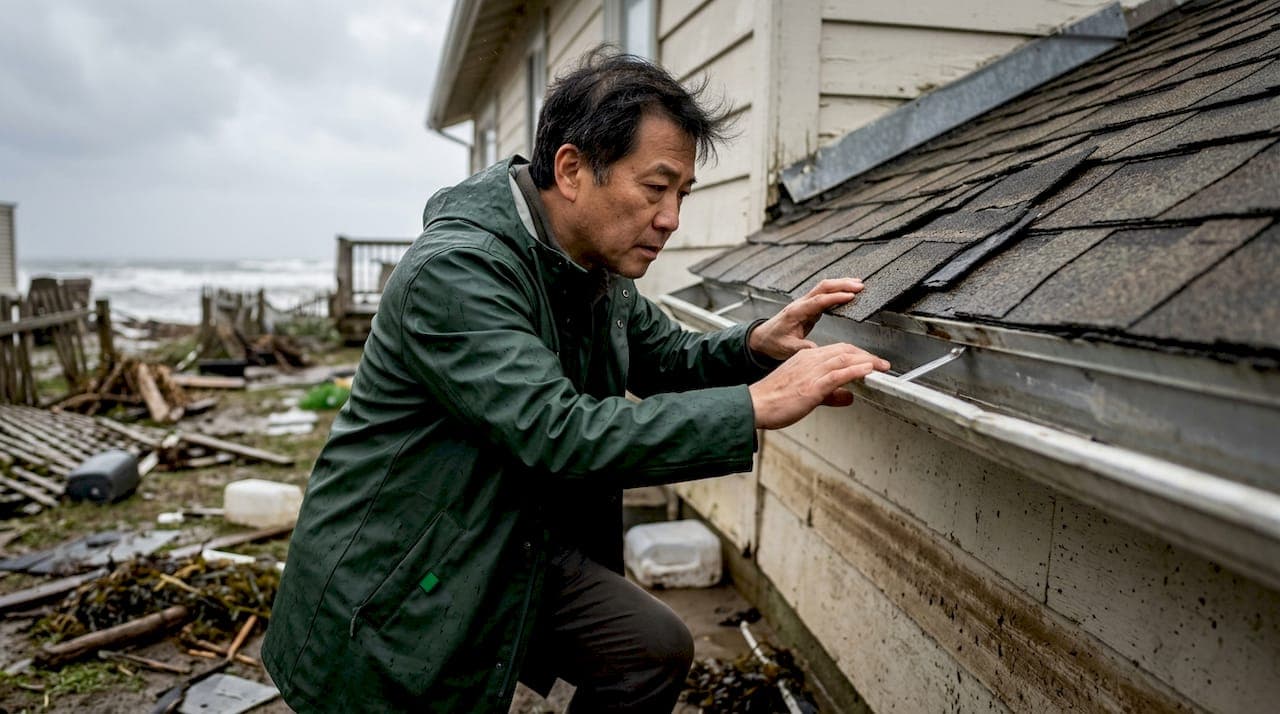
Storm surge is defined as the abnormal rise of seawater pushed inland by a hurricane or tropical storm, and understanding how storm surge affects roofing is the first step toward protecting your home. The damage it causes goes far beyond flooding. Structural stress and moisture intrusion are the primary forces that degrade roofing systems, often without leaving obvious signs at ground level. FEMA flood zone classifications, wind uplift standards, and the National Flood Insurance Program all shape how homeowners must respond. This guide covers the physical damage mechanisms, building code requirements, insurance distinctions, and preparation steps every homeowner needs to know.
How does storm surge physically damage roofing systems?
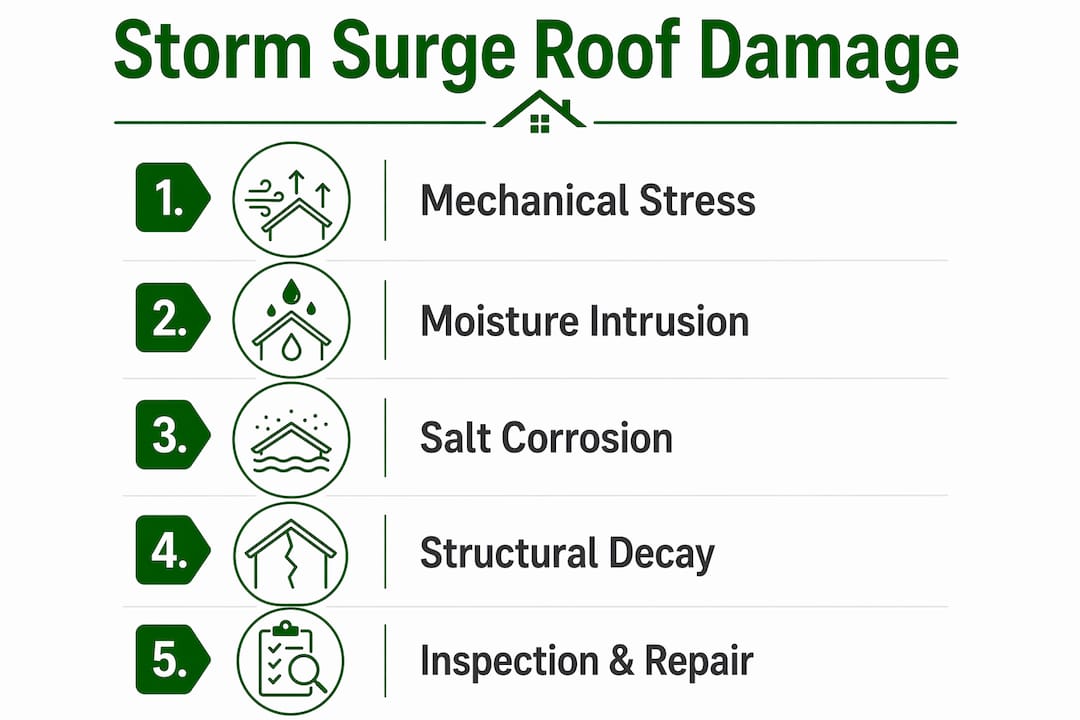
Storm surge damages roofs primarily through two forces: mechanical stress and sustained moisture exposure. Fasteners and seals loosen even at wind speeds below hurricane thresholds, creating water intrusion pathways that are invisible from the street. By the time a homeowner notices a stain on the ceiling, the roof deck may already be compromised.
Salt air and metal corrosion
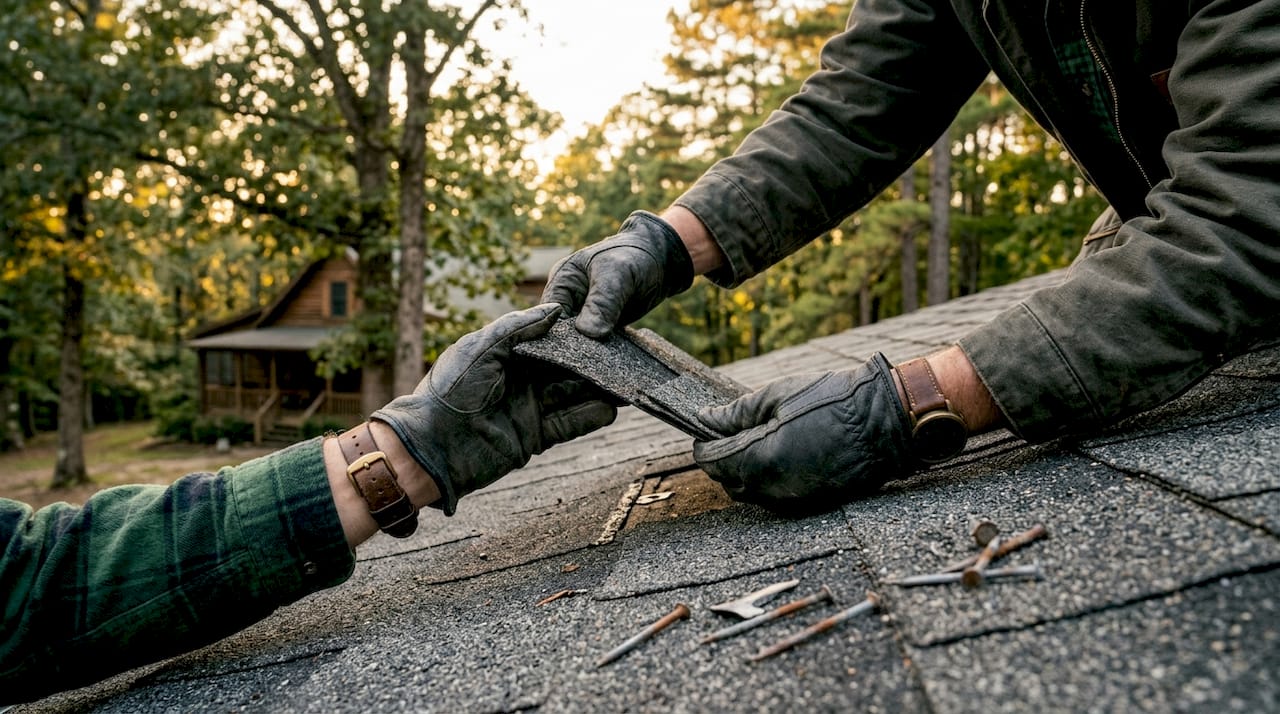
Salt-laden air is one of the most destructive forces acting on coastal roofs. It accelerates corrosion in metal fasteners, flashing, and drip edges, weakening the connections that hold roofing materials in place. Loose flashing and lifted shingles act as entry points for moisture during storms, often going unnoticed by homeowners until the damage is severe. A fastener that looks intact from below may be corroded at the shank, providing almost no holding power against uplift.
Moisture intrusion and structural decay
Once water gets under roofing materials, the damage compounds quickly. Trapped moisture creates ideal conditions for mold growth, wood rot, and insulation failure. Deck separation, fastener failure, and framing damage often require full roof replacement rather than spot repair. The roof deck absorbs water, swells, and loses its structural integrity, which then puts stress on the connections between the roof and the walls below.
Common damage signs after a surge event include:
- Blistering or bubbling on shingle surfaces
- Rust stains running down fascia boards or gutters
- Soft spots when walking on the roof deck
- Visible gaps or lifted sections along flashing and ridge lines
- Water stains on attic insulation or ceiling drywall
Pro Tip: Schedule a professional roof inspection within 72 hours of a storm event, even when no damage is visible from the ground. Hidden moisture intrusion is the most expensive problem to fix once it spreads.
How do building codes address storm surge impact on roofs?
Building codes in flood-prone areas set minimum standards for roof construction that directly affect how well a roof survives storm surge conditions. FEMA flood zones VE and AE carry different requirements, and knowing which zone your property sits in determines what your roof must be able to withstand.
Zone VE properties face the most demanding standards. These are coastal high-hazard areas where wave action combines with surge flooding, requiring roofs to resist extreme wind uplift and the lateral forces of moving water. Zone AE properties face lower wave risk but still require wind-borne debris resistance and proper drainage design.
| Flood Zone | Primary Hazard | Key Roof Requirement |
|---|---|---|
| Zone VE | Wave action and surge | Extreme wind uplift resistance, reinforced connections |
| Zone AE | Surge flooding | Wind-borne debris standards, proper drainage |
| Zone X | Minimal flood risk | Standard local building code compliance |
The continuous load path concept is central to modern code requirements. Many older homes lack reinforced connections between the roof, walls, and foundation, which makes them far more vulnerable to uplift forces during surge events. Updated 2026 building codes in several coastal states now require hurricane straps or clips at every rafter-to-wall connection for new construction and major renovations. Compliance with these standards also affects insurance eligibility, with some carriers offering lower premiums for homes that meet or exceed current wind uplift ratings.
What are the insurance rules for storm surge roof damage?
Insurance coverage for roof damage caused by storm surge is one of the most misunderstood areas in home ownership. Standard homeowners insurance excludes storm surge and rising water but covers wind damage and water intrusion that enters through a wind-created opening. That distinction matters enormously when you file a claim.
The separation works like this: if wind tears off a section of flashing and rain enters through that breach, the damage is a wind claim. If surge water rises and saturates the roof deck from below or the sides, that is a flood claim requiring separate flood insurance through the National Flood Insurance Program or a private carrier. Flood insurance policies typically cost between $700 and $1,500 per year, depending on your flood zone and coverage level. That annual cost is far less than the out-of-pocket expense of a full roof replacement.
The "concurrent causation" doctrine creates additional complexity. When wind and surge damage occur simultaneously, insurers may dispute which force caused which damage. Professional documentation distinguishing cause of loss is the most effective tool for resolving these disputes. Understanding the difference between flood damage and water damage before you file helps you present a clear, accurate claim.
Pro Tip: Photograph every part of your roof and attic before storm season begins. Pre-storm documentation proves the condition of your roof before damage occurred, which is the strongest evidence you can have in a disputed claim.
Knowing how to document storm roof damage with photos and written records immediately after a storm gives your adjuster the evidence needed to process your claim accurately and quickly.
How can homeowners prepare and protect their roofs from storm surge damage?
Preparation is the most cost-effective form of storm surge prevention for roofs. A roof that has been properly maintained and reinforced before a storm arrives sustains far less damage than one that has been neglected, even when both face the same conditions.
Follow these steps to reduce your roof's vulnerability:
-
Schedule a professional inspection annually. A licensed roofer can identify corroded fasteners, deteriorated flashing, and soft deck sections that are invisible from the ground. Catching these early costs a fraction of post-storm repair.
-
Seal and replace flashing at all penetrations. Chimneys, vents, and skylights are the most common entry points for storm-driven water. Resealing these areas with high-quality roofing caulk before storm season closes the gaps surge conditions exploit.
-
Upgrade soffits and attic vents. Soffits that blow out during storms pressurize the attic, which dramatically increases the risk of roof deck lift. Replacing vinyl soffits with aluminum or fiber cement and installing wind-rated screens eliminates this risk.
-
Install high wind-rated roofing materials. GAF and Owens Corning both manufacture shingles rated for winds above 130 mph. These products use stronger adhesive strips and heavier mat construction to resist uplift forces that standard shingles cannot handle.
-
Reinforce roof-to-wall connections. Adding hurricane straps or clips at rafter-to-wall connections creates the continuous load path that modern codes require. This single upgrade has the greatest impact on roof survival during extreme wind and surge events.
-
Apply temporary tarping immediately after damage. If a storm creates an opening in your roof, same-day tarping prevents additional water intrusion while permanent repairs are arranged. Chattanoogaroofrepairs provides same-day tarping for storm-damaged homes in the Chattanooga area.
Pro Tip: After any storm, check your attic before you check your ceiling. Water travels along rafters and decking before it drips through drywall, so attic inspection reveals damage hours or days before interior staining appears.
A thorough storm damage roof assessment by a certified professional is the most reliable way to confirm whether your roof is structurally sound after a surge event.
Key Takeaways
Storm surge damages roofs through structural stress, moisture intrusion, and salt corrosion, and homeowners who prepare before storm season and document damage immediately after it will recover faster and spend less.
| Point | Details |
|---|---|
| Primary damage mechanism | Storm surge causes structural stress and moisture intrusion, not just surface flooding. |
| Insurance coverage gap | Standard homeowners insurance excludes surge damage; separate flood insurance is required. |
| Building code compliance | FEMA Zone VE and AE properties must meet wind uplift and debris resistance standards. |
| Most effective preparation | Upgrading soffits, reinforcing roof-to-wall connections, and sealing flashing reduces surge risk. |
| Documentation is critical | Photographing damage immediately after a storm supports accurate and faster insurance claims. |
What I've learned after years of storm-damaged roofs
The homeowners who call us after a major storm and say "it doesn't look that bad" are often the ones with the most expensive repairs. That pattern has repeated itself enough times that I now consider it one of the most reliable rules in this business.
The compound deterioration that salt air, humidity, and repeated storm exposure create is genuinely invisible until it isn't. A roof can look perfectly fine from the curb while the deck underneath is soft, the fasteners are corroded at the shank, and the flashing has separated at every penetration. By the time water stains appear on the ceiling, the damage has usually been progressing for months.
The continuous load path is the detail I wish more homeowners understood before a storm, not after. Older homes built without hurricane straps rely on the weight of the roof to keep it in place. That works fine in normal conditions. Under surge-driven wind uplift, it fails fast and completely.
My honest advice: treat your roof like a vehicle. You wouldn't skip oil changes and then wonder why the engine failed. Annual inspections, proactive flashing repairs, and soffit upgrades are the maintenance habits that determine whether your roof survives the next storm or becomes a claim.
— Steve
Chattanoogaroofrepairs: professional storm surge roof repair and protection
When a storm leaves you uncertain about the condition of your roof, a professional assessment is the right first call. Chattanoogaroofrepairs provides certified inspections, same-day tarping, and complete repair services for homeowners in Chattanooga and the surrounding area.
Our team works with GAF and Owens Corning materials, offering metal roofing solutions built to handle the wind uplift and moisture exposure that storm surge conditions demand. We also handle roof leak repair, shingle replacement, and gutter installation to address every aspect of storm-related damage. Every job includes transparent pricing and no-pressure recommendations. Contact Chattanoogaroofrepairs to schedule your inspection and get your roof assessed by a team that knows what storm damage actually looks like.
FAQ
What is the main way storm surge damages a roof?
Storm surge damages roofs primarily through structural stress and moisture intrusion rather than direct immersion. Loosened fasteners and deteriorated seals create water entry points that cause rot, mold, and deck failure over time.
Does homeowners insurance cover storm surge roof damage?
Standard homeowners insurance does not cover storm surge or rising water damage. You need a separate flood insurance policy through the National Flood Insurance Program or a private insurer to cover surge-related roof damage.
How do I know if my roof has hidden storm surge damage?
Check your attic for soft decking, wet insulation, or rust stains on fasteners after any storm event. A licensed roofer can identify hidden damage through a professional inspection even when the roof looks intact from the ground.
What roofing materials hold up best against storm surge conditions?
High wind-rated shingles from manufacturers like GAF and Owens Corning, along with metal roofing systems, perform best in surge-prone environments. These materials use reinforced attachments and heavier construction to resist uplift and moisture penetration.
How soon should I get a roof inspection after a storm surge event?
Schedule a professional inspection within 72 hours of a storm event. Early assessment limits additional water intrusion, supports insurance documentation, and reduces the total cost of repairs.