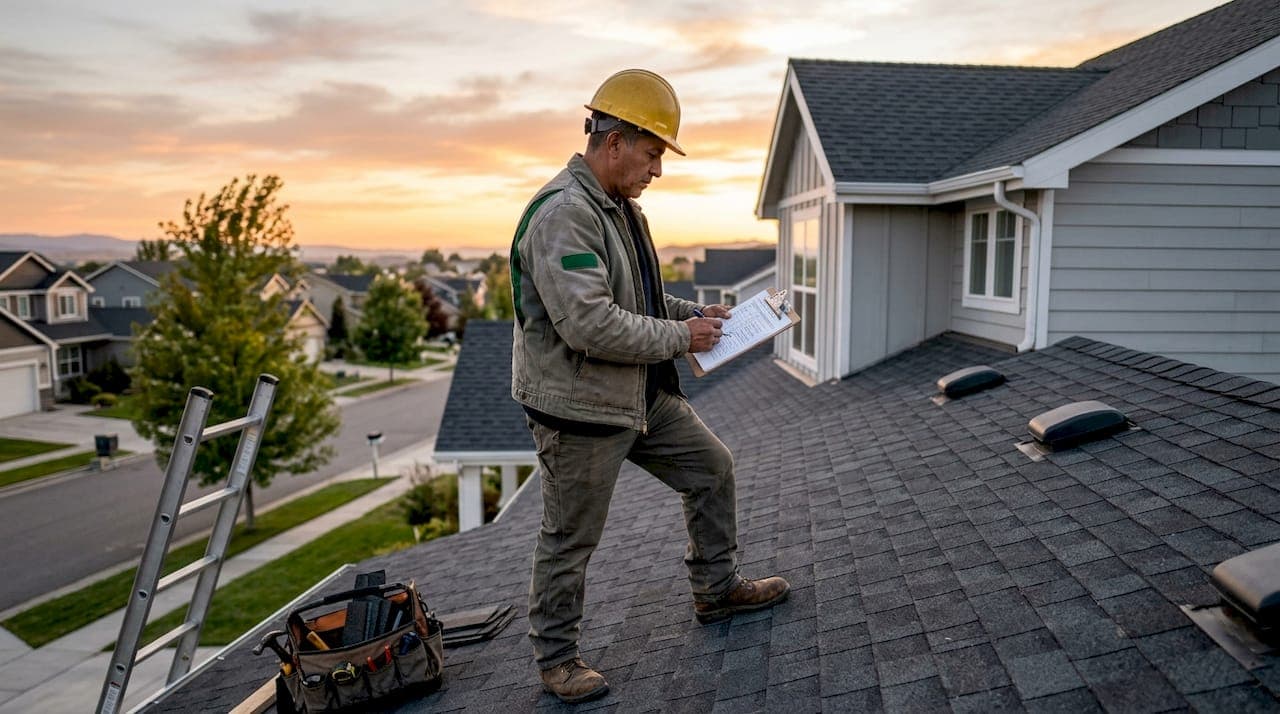
Roof repairs directly accelerate property closings by removing the inspection findings, lender mandates, and insurance barriers that most commonly stall or kill real estate transactions. A failing roof is one of the top 3 inspection deal-killers, triggering price concessions of $5,000–$15,000 and pushing closing timelines back by weeks. For homebuyers and real estate investors focused on transaction speed, understanding why roof repairs speed up closings is the difference between a smooth 30-day close and a deal that unravels in escrow. The roof is the most consequential system a lender, appraiser, and insurance underwriter all evaluate before funding.
Why roof repairs speed up closings: the inspection and lender connection
Roof condition sits at the intersection of three separate closing gatekeepers: the home inspector, the lender's underwriter, and the buyer's insurance carrier. When any one of them flags a roof problem, the transaction stops moving forward until the issue is resolved.
Home inspectors document visible defects, missing shingles, active leaks, and structural sagging. Buyers use these findings to demand repairs, price reductions, or closing credits. Failing roofs rank among the most common reasons buyers renegotiate or walk away entirely. That renegotiation process alone adds days or weeks to a timeline.
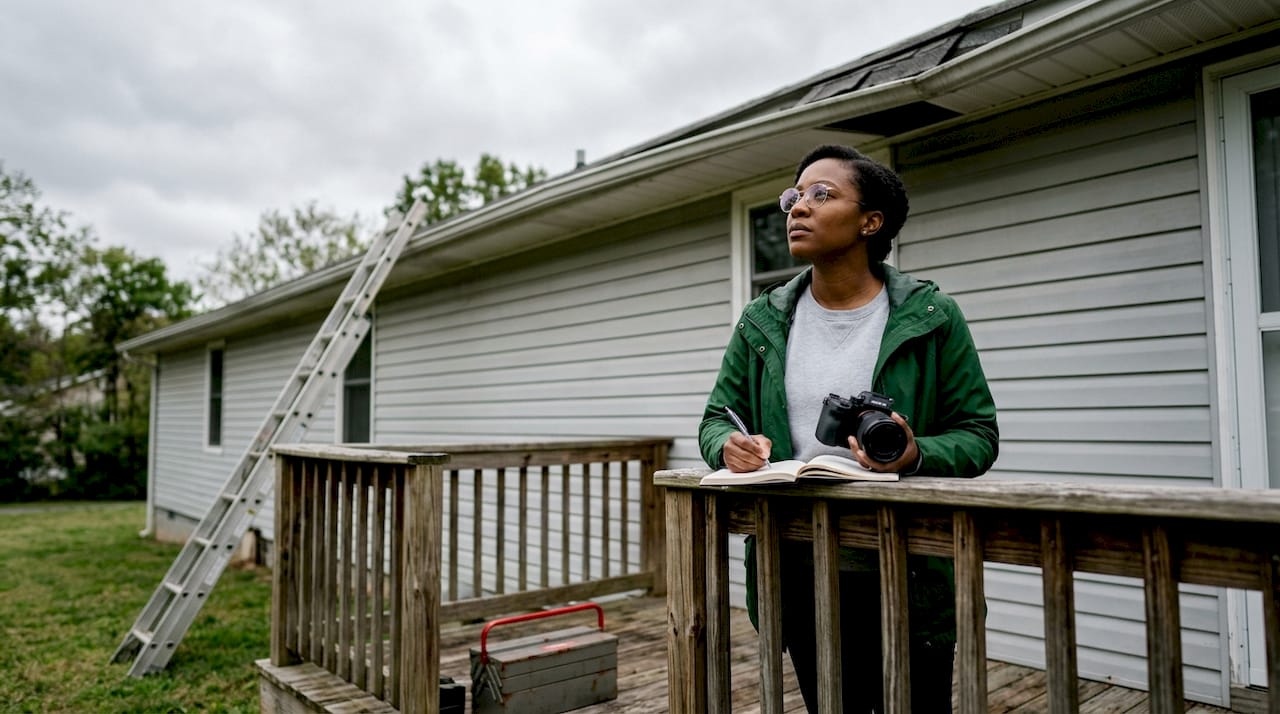
Lenders apply a separate layer of scrutiny. Appraisers assess the "remaining economic life" of the roof. Less than 5 years remaining triggers mandatory repair requirements or escrow holdbacks before the lender will fund the loan. This is not a negotiable standard. The lender will not release funds until the condition is cleared.
Roof issues can also block insurance binding for buyers. Without an active homeowner's insurance policy in place, most lenders will not fund the mortgage. A roof in poor condition causes the insurance carrier to decline coverage or require repairs before binding. That creates a third bottleneck, entirely separate from the inspection and lender processes.
The practical result is a compounding delay. One roof problem can trigger three simultaneous holds on a closing. Resolving the roof before listing eliminates all three at once.
What escrow holdbacks actually cost sellers
Lenders often mandate escrow holdbacks at 1.5x to 2x the estimated repair cost, locking seller proceeds until work is completed and verified after closing. That means a $10,000 repair estimate results in $15,000–$20,000 of seller proceeds held in escrow. The seller closes but cannot access a significant portion of their money. Completing repairs before listing eliminates this holdback entirely and gives sellers full access to proceeds at closing.
Does a repaired roof actually sell homes faster?
The data on this point is clear. Homes with newer roofs sell 5–15% faster than those with aging roofs, with days on market dropping from 60–90 days down to 30–45 days. That is a meaningful reduction in carrying costs for sellers and investors holding properties.
Faster sales also mean fewer opportunities for buyers to get cold feet, find competing properties, or use market shifts as leverage to renegotiate. Every additional week a property sits on the market increases the statistical likelihood of a price reduction. A repaired roof removes one of the most common reasons buyers hesitate or push for concessions.
Properties with documented roof repairs and professional inspections attract stronger offers and reduce buyer negotiation leverage. Buyers who can see a recent inspection report and a completed repair certification have less reason to demand credits. That documentation shifts the negotiating dynamic in the seller's favor.
Pro Tip: Pair your roof repair documentation with a broader home improvement strategy. Research shows that resale improvements like updated lighting and curb appeal work best when structural issues like the roof are already resolved. Buyers notice the upgrades more when they are not worried about the fundamentals.
Sellers who view roof repairs as an expense miss the real calculation. Roof repairs can yield a 100%+ return by preventing concessions and eliminating carrying costs from extended time on market. The repair cost is often less than the combined value of price reductions, holdbacks, and additional mortgage payments during a prolonged sale.
When should you repair vs. replace to avoid closing delays?
Not every roof problem requires full replacement, but guessing wrong creates serious closing risk. The industry standard known as the 25% rule states that when repair costs exceed 25% of a full replacement, or when the roof is over 15 years old, replacement is the more defensible choice. Lenders and appraisers are more likely to accept a replacement than a series of patch repairs on an aging system.
The timing of repairs matters as much as the scope. Trying to patch an aging roof at the last minute often leads to lenders requiring full replacement anyway, raising both costs and delays. A patch done two weeks before closing rarely satisfies an underwriter who sees a 20-year-old roof with fresh shingles on one section.
Key factors that determine repair vs. replacement for closing purposes:
- Roof age: Roofs over 15 years old face heightened lender scrutiny regardless of visible condition.
- Damage scope: Localized damage from a single storm event is a strong candidate for repair. Widespread granule loss, multiple leak points, or sagging decking typically requires replacement.
- Lender type: FHA and VA loans apply stricter roof condition standards than conventional loans. Know your buyer's financing before deciding on scope.
- Appraiser findings: If the appraiser flags the roof, the lender will require a formal repair scope, not just a patch and an invoice.
Pro Tip: Get a roof inspection report before listing, not after an offer arrives. Early knowledge lets you choose the right repair scope on your timeline, not the buyer's.
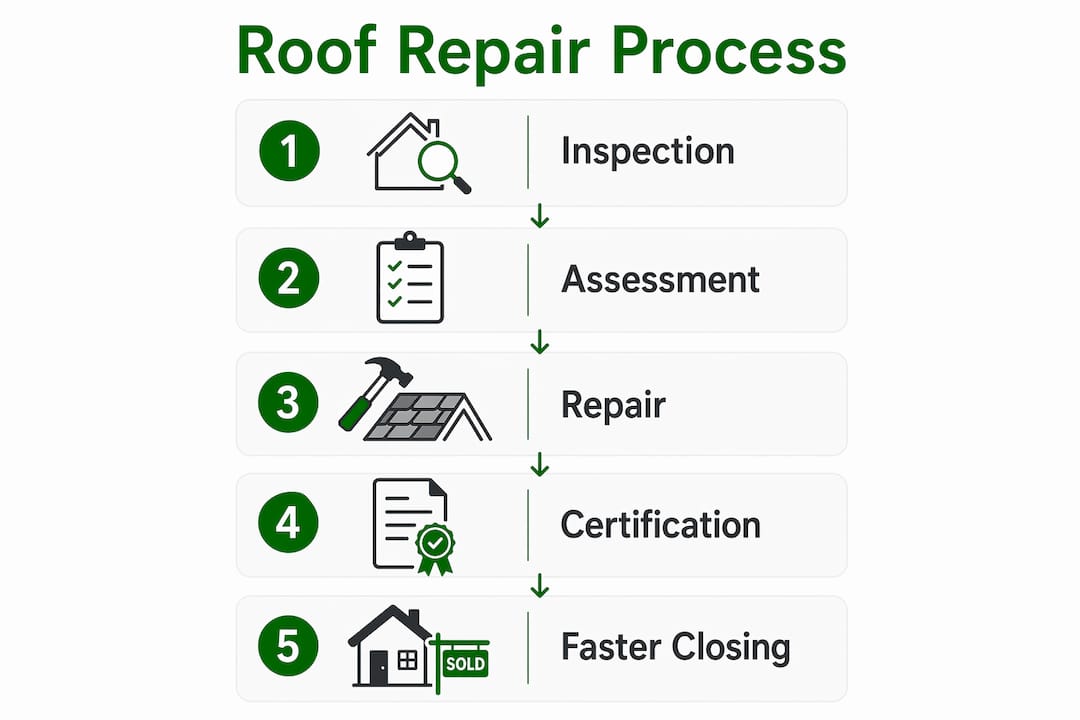
Documentation is the piece most sellers overlook. Lenders require a condition report, a formal repair scope, and post-repair certification. An invoice alone does not clear a roof for closing. The paperwork must demonstrate that a qualified contractor assessed the roof, completed specific repairs, and certified the result. Missing any one of those elements sends the file back to underwriting.
Practical steps to use roof repairs as a quick closing strategy
Sellers and investors who treat roof condition as a pre-listing priority consistently close faster and with fewer complications. The following sequence produces the best results.
- Schedule a professional inspection before listing. A certified roof inspector identifies every issue a buyer's inspector or lender appraiser will find. Knowing the full picture before listing lets you address problems on your schedule.
- Get a written repair scope from a licensed contractor. The scope should identify specific defects, materials to be used, and the expected post-repair condition. This document becomes part of your lender file.
- Complete repairs with a contractor experienced in real estate closings. Not all roofing contractors understand lender documentation requirements. Choose one who provides post-repair certification in addition to standard warranty paperwork. Chattanoogaroofrepairs provides this documentation as part of every repair project.
- Obtain post-repair certification. Lender and insurance clearance requires detailed condition reports and certifications post-repair. Request this document explicitly from your contractor before closing.
- Share documentation with your agent and escrow officer early. Do not wait for the lender to ask. Proactively providing the inspection report, repair scope, and certification removes the roof from the list of open conditions faster.
- Coordinate timing with your listing date. Repairs completed at least 30 days before listing give the roof time to settle and give you time to gather all documentation. Last-minute repairs create last-minute paperwork gaps.
Fast roof repairs completed before listing convert a potential deal-blocker into a documented asset. Buyers see a certified roof and have no grounds to demand credits. Lenders see a clear condition report and move the file forward. Insurance carriers bind coverage without conditions. All three gatekeepers are satisfied before the first offer arrives.
Key Takeaways
Roof repairs speed up closings by eliminating the inspection findings, lender mandates, and insurance barriers that most commonly delay or derail real estate transactions.
| Point | Details |
|---|---|
| Roof condition affects three gatekeepers | Inspectors, lenders, and insurance carriers all evaluate the roof before a closing can proceed. |
| Escrow holdbacks cost more than repairs | Lenders hold 1.5x–2x the repair estimate, making pre-listing repairs the lower-cost option. |
| Repaired roofs sell 5–15% faster | Days on market drop from 60–90 to 30–45 when roof condition is documented and certified. |
| The 25% rule guides repair vs. replacement | Repair costs exceeding 25% of replacement value, or roofs over 15 years old, typically require full replacement to satisfy lenders. |
| Documentation is required, not optional | A condition report, repair scope, and post-repair certification are all needed to clear a roof for closing. |
What I've learned about roofs and real estate closings after years in the field
Most sellers treat the roof as an afterthought. They focus on paint colors, staging, and kitchen updates while assuming the roof will pass inspection. That assumption costs them time and money more often than any other single decision.
The pattern I see repeatedly is this: a seller gets an offer, the inspector flags the roof, and suddenly everyone is scrambling. The buyer wants a $12,000 credit. The seller wants to do a $4,000 patch. The lender wants a full replacement because the roof is 18 years old. The deal sits in limbo for three weeks while contractors are called, bids are gathered, and underwriting waits for paperwork.
Every one of those delays was preventable. A pre-listing inspection and a clear repair decision made two months earlier would have resolved the entire situation before the first buyer walked through the door.
The sellers who close fastest are the ones who treat the roof as a transaction asset, not a maintenance item. They get the inspection done early, they make the right repair or replacement decision based on the 25% rule and lender standards, and they collect every piece of documentation their contractor produces. When the buyer's inspector arrives, there is nothing to find. When the appraiser evaluates remaining economic life, the roof is certified and current. When the insurance carrier reviews the property, coverage binds without conditions.
Proactive roof investment is not about spending more money. It is about spending the right money at the right time to keep a transaction moving. The sellers who wait pay more in concessions, holdbacks, and carrying costs than the repair would have ever cost.
— Steve
Chattanoogaroofrepairs: certified roof repairs that support your closing timeline
When a real estate transaction depends on roof condition, the contractor you choose matters as much as the repair itself.
Chattanoogaroofrepairs provides fast, certified roof repair and replacement services in Chattanooga and surrounding areas, using materials from GAF and Owens Corning backed by manufacturer warranties. Every project includes the condition reports and post-repair certifications that lenders and insurance carriers require to clear a file for closing. From roof leak repair and shingle replacement to full metal roofing installations, the team delivers quality workmanship with transparent pricing and no-pressure consultations. Contact Chattanoogaroofrepairs to schedule your pre-listing inspection and get your closing timeline back on track.
FAQ
Why do roof repairs speed up the closing process?
Roof repairs eliminate the three most common closing holds: inspection findings, lender underwriting conditions, and insurance binding requirements. Resolving roof issues before listing means all three gatekeepers approve the property without conditions.
What is an escrow holdback and how does it affect closing?
An escrow holdback locks seller proceeds at 1.5x–2x the estimated repair cost until work is completed after closing. Completing repairs before closing eliminates the holdback and gives sellers full access to their proceeds at the closing table.
How do I know if I need a repair or a full roof replacement before selling?
The 25% rule is the standard industry guide: if repair costs exceed 25% of a full replacement cost, or if the roof is over 15 years old, replacement is the safer choice for lender approval. A repair vs. replacement assessment from a licensed contractor clarifies the right path for your specific situation.
What documentation does a lender need to clear a roof repair for closing?
Lenders require a formal condition report, a written repair scope, and a post-repair certification from a qualified contractor. An invoice alone is not sufficient to satisfy underwriting requirements.
Can a roof problem block a buyer's homeowner's insurance?
Yes. Roof damage can cause an insurance carrier to decline coverage or require repairs before binding a policy. Without active insurance, most lenders will not fund the mortgage, creating a separate and critical barrier to closing.